
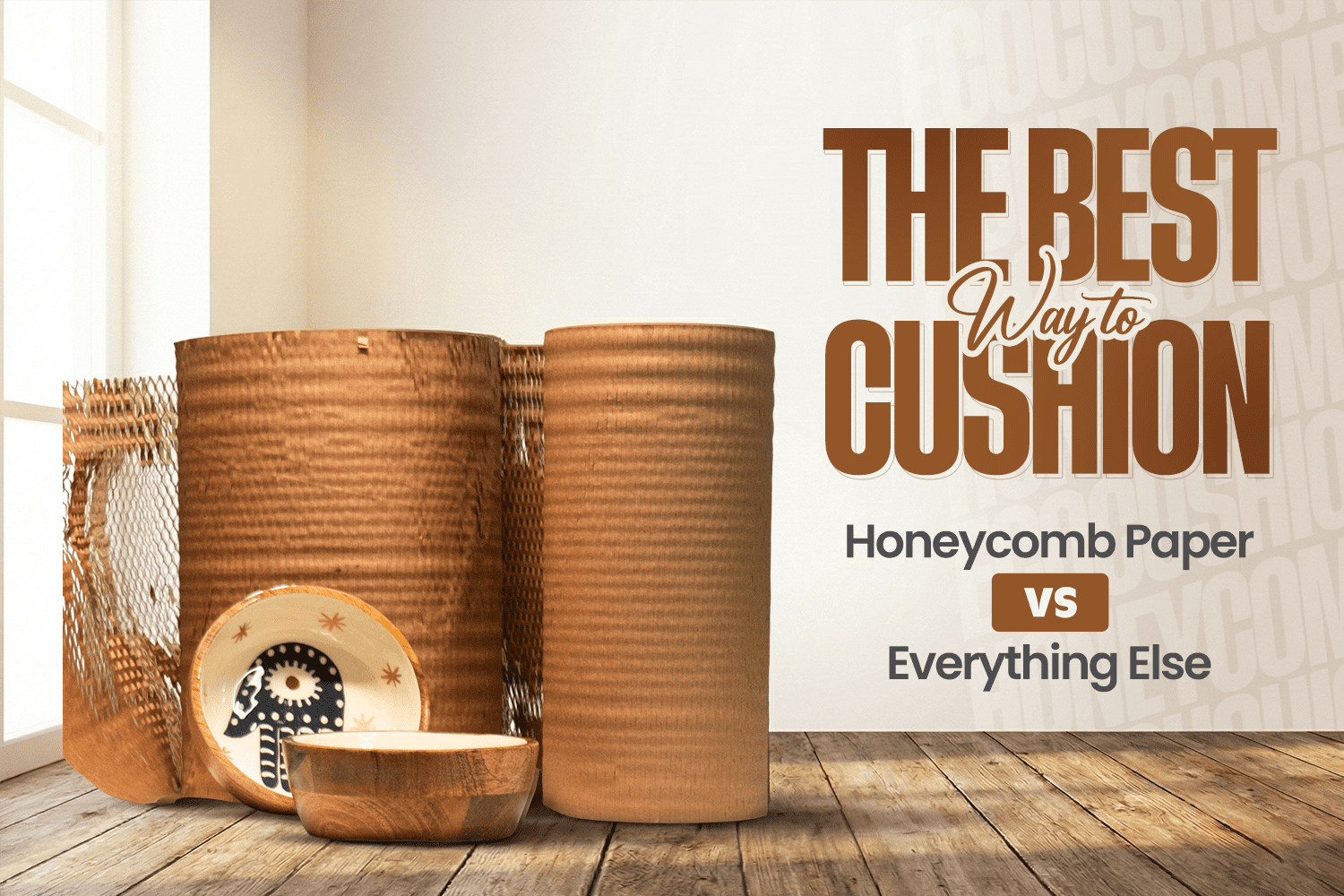
The Best Way to Cushion: Honeycomb Paper vs. Everything Else
When it comes to protecting products during shipping, storage, or handling, cushioning plays a far more important role than most people realise. From fragile glassware to furniture, electronics, and décor, the right cushioning material ensures items arrive safely and intact. For decades, plastic-based solutions like bubble wrap and foam have dominated this space. But today, businesses and consumers alike are rethinking their choices.
Enter Honeycomb Paper, a smarter, more sustainable alternative that is steadily redefining how cushioning should work. Let’s take a closer look at how honeycomb paper compares to traditional cushioning materials and why it’s emerging as the best solution.
Understanding Cushioning Materials
Cushioning materials are designed to absorb shock, reduce movement, and protect items from damage during transit. The most common options include:
- Honeycomb paper cushioning
- Shredded paper
- Foam sheets and peanuts
- Corrugated cardboard inserts
- Plastic bubble wrap
While each option serves the same basic purpose, they differ significantly in performance, environmental impact, and overall efficiency.
What Is Honeycomb Paper?
Honeycomb Paper is a specially engineered paper material cut and expanded into a honeycomb-like structure. When stretched, it forms a three-dimensional network that wraps securely around products, providing excellent shock absorption and surface protection.
What makes honeycomb paper unique is its ability to combine strength, flexibility, and sustainability, something traditional cushioning materials struggle to achieve simultaneously.
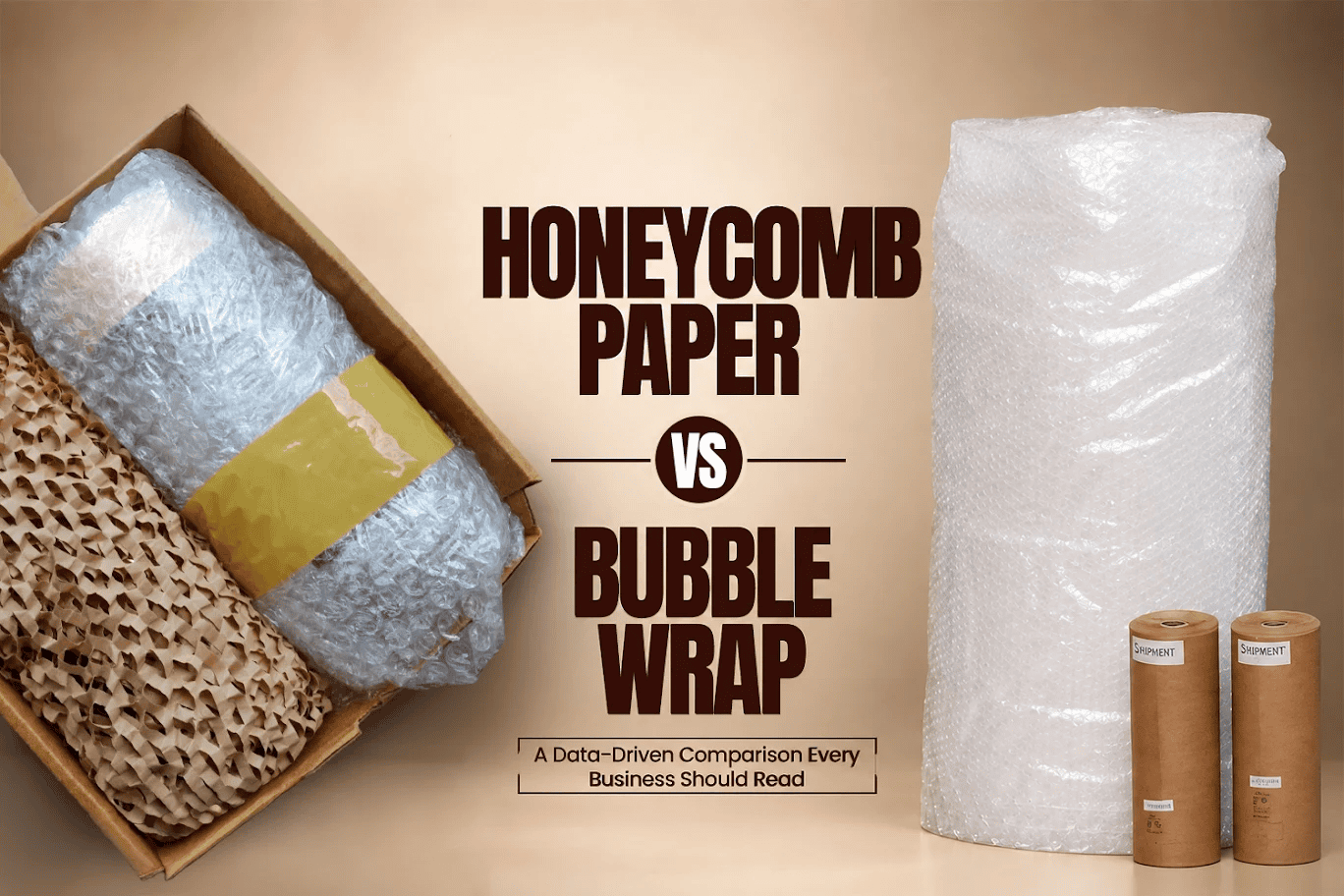
Honeycomb Paper vs. Plastic Bubble Wrap
Bubble wrap is perhaps the most widely recognised cushioning material. It’s lightweight and effective at absorbing shocks, but it comes with significant drawbacks.
Honeycomb Paper
- Made from paper, a renewable resource
- Recyclable and biodegradable
- Provides comparable (and often superior) cushioning
- Offers a cleaner, more premium unboxing experience
Plastic Bubble Wrap
- Made from plastic
- Difficult to recycle in many regions
- Often used once and discarded
- Contributes to long-term environmental waste
From an environmental perspective alone, honeycomb paper is a clear winner. When you factor in durability and aesthetics, the gap widens even further.
Honeycomb Paper vs. Foam Cushioning
Foam packaging, such as polyethene foam or polystyrene, is commonly used for heavy or high-value items. While foam offers good protection, it has serious environmental and practical limitations.
Honeycomb Paper
- Lightweight yet strong
- Takes up less storage space
- Adapts easily to different product shapes
- Aligns with sustainable packaging goals
Foam Cushioning
- Petroleum-based
- Non-biodegradable
- Bulky to store and transport
- Creates disposal challenges for end users
For businesses seeking an Eco Friendly Paper solution that doesn’t compromise on protection, honeycomb paper offers a far more balanced approach.
Performance: Does Paper Really Protect Well Enough?
A common concern is whether paper-based cushioning can truly match the protective qualities of plastic or foam. The answer lies in the structure.
The honeycomb design distributes impact forces evenly across the surface, reducing pressure on any single point. This makes Honeycomb Paper surprisingly effective at absorbing shocks, preventing scratches, and minimising movement during transit.
In many real-world applications, such as wrapping furniture components, glassware, ceramics, and home décor, honeycomb paper performs just as well as, if not better than, traditional materials.
Sustainability: Where Honeycomb Paper Clearly Wins
Sustainability is no longer a “nice-to-have.” For many brands and consumers, it’s a deciding factor.
Traditional cushioning materials often rely on plastic or chemical processing, contributing to landfill waste and environmental pollution. In contrast, Eco Friendly Paper solutions like honeycomb paper are designed with circularity in mind.
Key sustainability benefits include:
- Made from recyclable paper
- Biodegradable under natural conditions
- Reduces reliance on plastic packaging
- Easier disposal for consumers
Switching to honeycomb paper isn’t just a packaging decision—it’s a statement about environmental responsibility.
Ease of Use and Operational Efficiency
Beyond protection and sustainability, cushioning materials must also be practical.
Honeycomb paper scores high on usability:
- Easy to cut and wrap
- Expands only when needed, saving space
- Reduces packaging time
- Requires fewer additional materials, like tape
For businesses shipping at scale, this translates into operational efficiency, reduced storage costs, and faster packing processes.
A Better Unboxing Experience
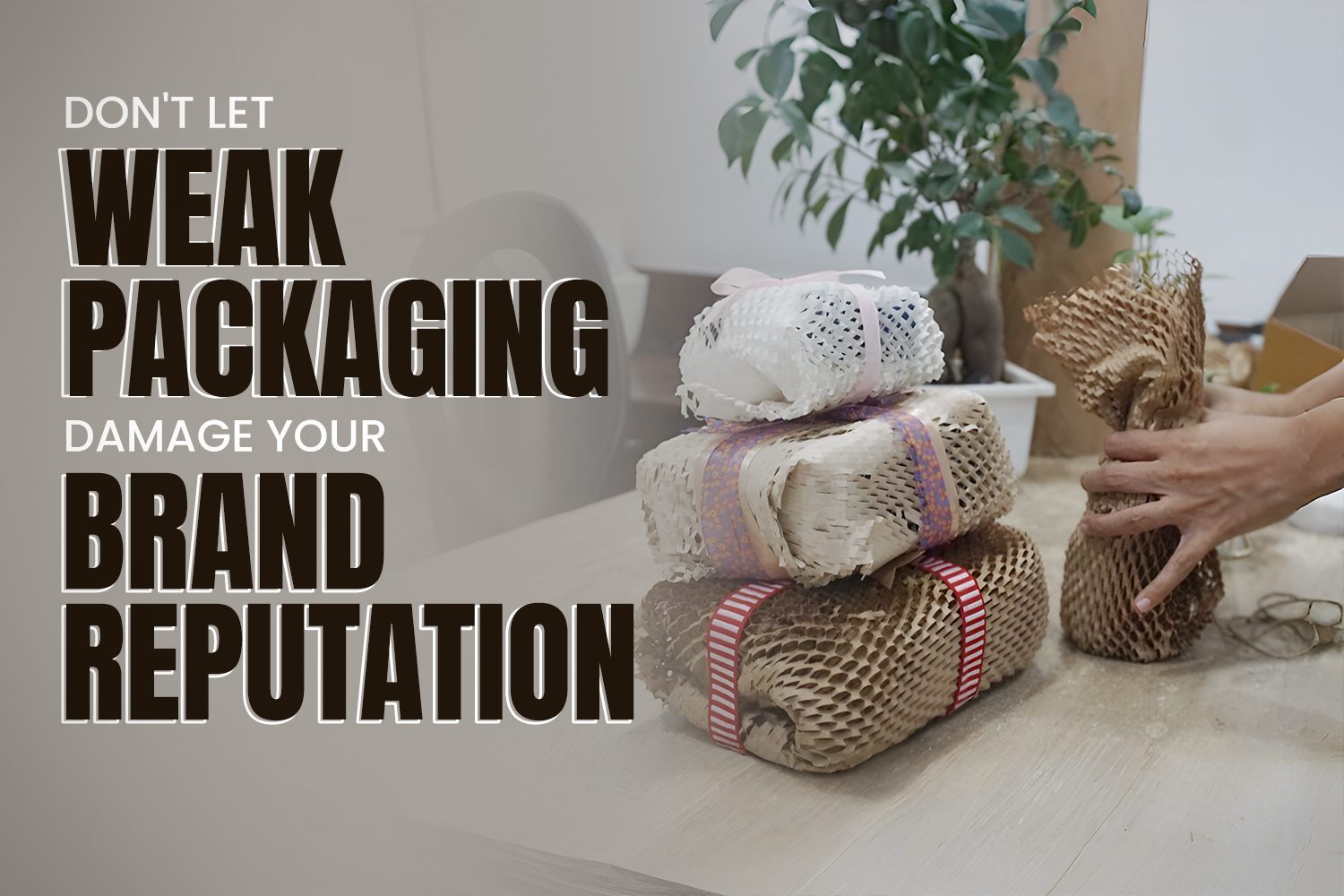
Packaging is often the first physical interaction a customer has with a product. Plastic-heavy packaging can feel impersonal and wasteful, while paper-based solutions feel intentional and thoughtful.
Honeycomb Paper enhances the unboxing experience by:
- Looking clean and premium
- Feeling natural and textured
- Reinforcing a brand’s sustainability values
In a world where brand perception matters more than ever, packaging choices speak volumes.
So, Is Honeycomb Paper the Best Way to Cushion?
When you compare all factors, protection, sustainability, ease of use, storage efficiency, and customer experience, the answer becomes clear.
While bubble wrap, foam, and other materials may still have niche uses, Honeycomb Paper offers the most well-rounded solution for modern cushioning needs. As an Eco Friendly Paper option, it aligns with current environmental priorities without sacrificing performance or practicality.
Final Thoughts
The future of packaging is not just about protecting products, it’s about doing so responsibly. Honeycomb paper represents a shift toward smarter, cleaner, and more conscious cushioning.
For businesses looking to reduce plastic use, improve their sustainability profile, and deliver a better experience to customers, Honeycomb Paper stands out as the best alternative to “everything else.”
Choosing the right cushioning today helps protect not just your products, but the planet as well.