
Packaging That Sells: How Eco-Friendly Choices Attract Conscious Consumers
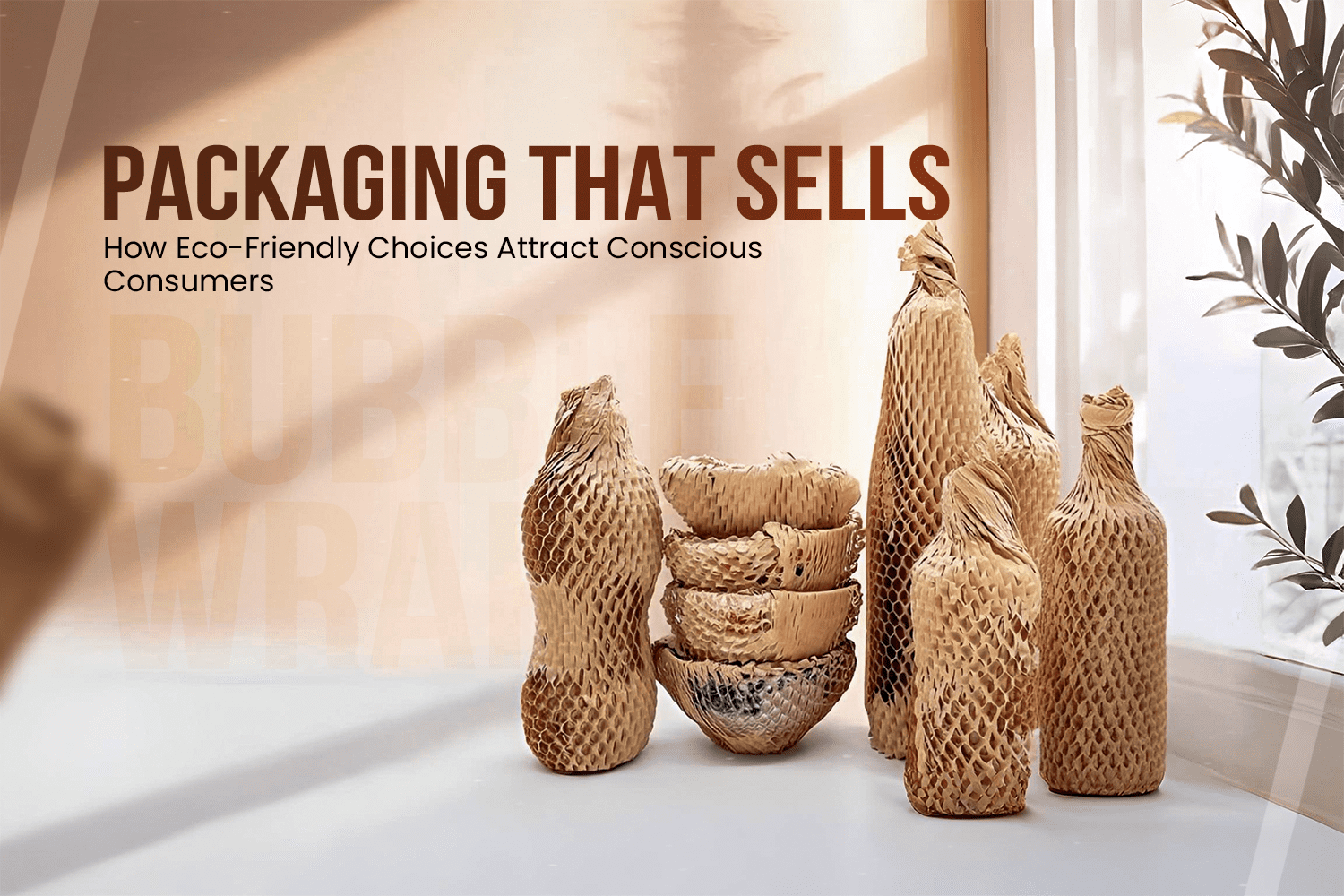
In today’s competitive market, packaging is no longer limited to wrapping a product. It is a communication tool, a branding opportunity, and a direct reflection of a company’s values.
As consumer expectations shift toward sustainability, brands are now expected to choose packaging solutions that are not only functional but also environmentally responsible. This is where eco-friendly protective packaging steps in, offering companies a chance to deliver products safely while appealing to conscious, modern buyers.
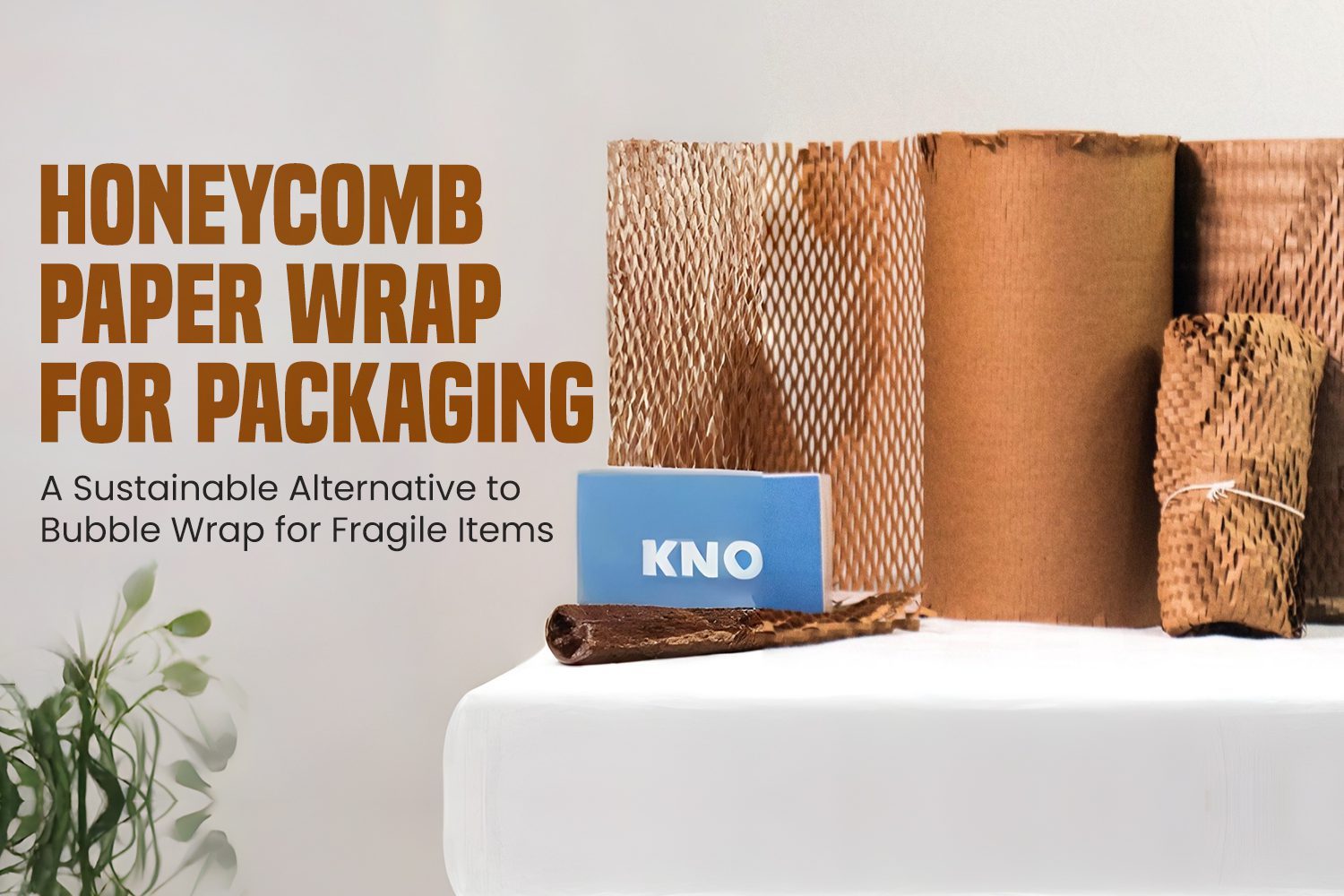
Among the various packaging options, honeycomb paper, and other forms of protective packaging play a vital role in ensuring products reach customers without damage. When brands choose greener alternatives to traditional materials, they gain a competitive advantage and build trust with their audience.
Why Eco-Friendly Packaging Matters More Than Ever
With rising awareness about climate change and waste pollution, consumers—especially younger demographics—prefer brands that take sustainability seriously. Studies show that people are willing to switch brands or even pay slightly more for products that are packaged responsibly.
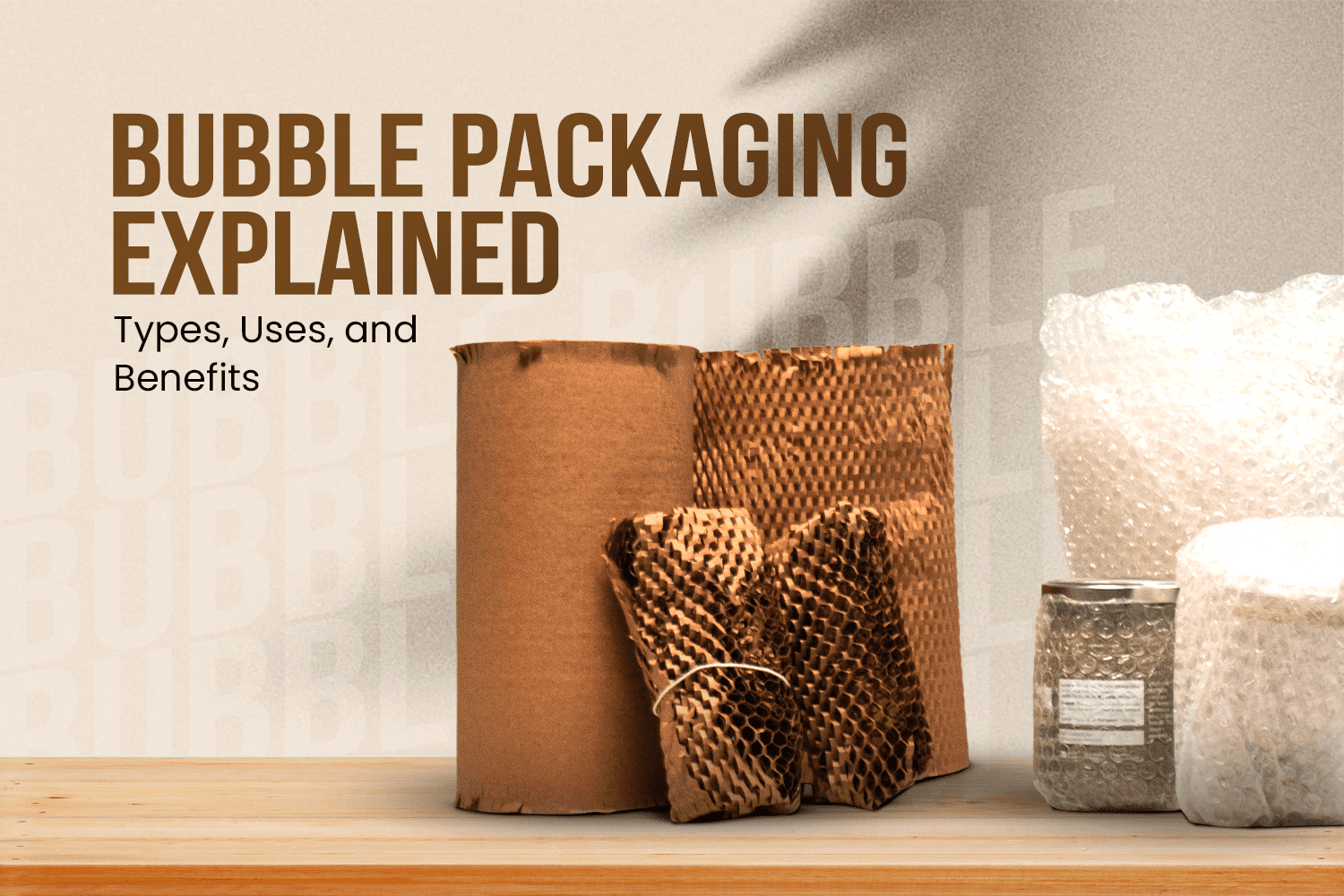
.This trend is pushing companies to rethink their packaging strategies. Instead of using harmful plastics or non-recyclable materials, businesses are adopting eco-friendly versions of protective packaging, such as paper bubble wrap, which offer the same strength, security, and cushioning but with minimal environmental impact.
The Shift Toward Sustainable Protective Packaging
Protective packaging is essential for preventing breakage, reducing returns, and maintaining customer satisfaction. Traditionally, materials like plastic bubble wrap, foam sheets, and thermocol were widely used due to their low cost and efficiency. However, these materials contribute heavily to landfill waste and environmental pollution.
Today, brands are shifting toward greener options, such as:
- Recycled paper padding
- Biodegradable bubble packaging
- Honeycomb paper for shock absorption
- Paper wrap for lightweight and medium-fragile items
- Corrugated paper rolls
- Compostable air pillows
- Reusable fabric-based protective wraps
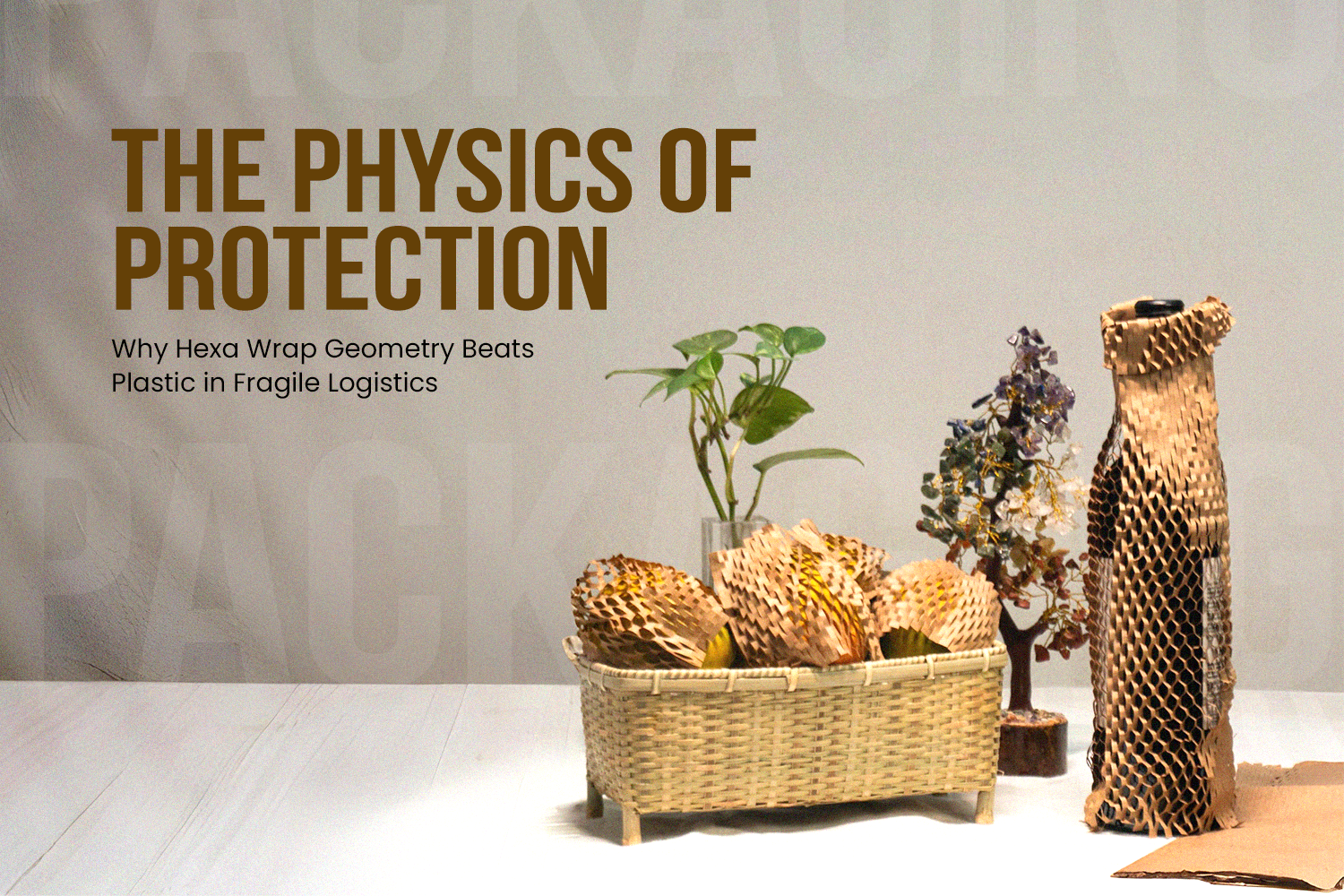
These alternatives provide the same cushioning and shock absorption as traditional bubble packaging, while reducing long-term environmental damage.
How Eco-Friendly Packaging Improves Brand Perception
Consumers often judge a brand the moment they receive a package. Sustainable packaging immediately communicates:
1. Responsibility
Customers view eco-friendly protective packaging, including honeycomb paper, as a sign that the brand cares about the environment and global issues.
2. Quality
Thoughtful packaging often reflects a high-quality product. Brands that invest in durable protective packaging solutions signal that they value customer experience.
3. Transparency
Clear information about recyclable or compostable materials helps build trust and reinforces a brand’s commitment to sustainability.
4. Innovation
Customers appreciate brands that adopt creative, modern packaging alternatives such as honeycomb paper structures, and eco-conscious bubble packaging.
Together, these elements create a lasting positive impression, encouraging repeat purchases and customer loyalty.
Bubble Packaging: From Plastic Waste to Eco-Friendly Innovation
Traditional bubble packaging is widely known for its cushioning properties, but is equally criticised for being difficult to recycle. However, the industry has evolved significantly. Many companies now offer:
- Recycled-content bubble packaging
- Biodegradable bubble packaging made from plant-based materials
- Paper-based cushioning alternatives, such as honeycomb paper
- Flexible Paper bubble wrap for safer, plastic-free packing
These upgraded packaging solutions combine protection, durability, and sustainability, making them an excellent choice for brands that ship fragile or high-value items.
How Eco-Friendly Packaging Sells Your Brand
1. Appeals to Conscious Consumers
People today are not just buying products; they are buying values. A brand that uses eco-friendly protective packaging, paper wrap stands out immediately and influences purchasing decisions.
2. Encourages Social Sharing
Minimal, clean, and sustainable packaging often ends up on social media. Unboxing videos featuring paper-based paper honeycomb paper help brands gain organic visibility.
3. Reduces Return Costs
Durable, well-designed packaging, such as reinforced honeycomb paper layers or sturdy bubble packaging, helps prevent product damage, reducing return logistics and saving costs.
4. Enhances Brand Credibility
Sustainable packaging choices reflect long-term thinking and reliability, qualities customers expect from brands they trust.
Cost vs. Value: Why Sustainability Is a Smart Investment
Many companies hesitate to switch to eco-friendly materials, assuming they are more expensive. While the initial cost may be slightly higher, the long-term benefits outweigh the investment. These include:
- Stronger brand loyalty
- Higher customer satisfaction
- Reduced product returns
- Improved brand image and perception
- Compliance with global sustainability regulations
As demand grows, materials like honeycomb paper, and eco-friendly protective packaging are becoming more accessible and cost-effective.
How to Transition to Eco-Friendly Packaging Smoothly
Here are simple steps brands can adopt:
- Assess product fragility to understand the level of protection required
- Replace harmful materials with paper wrap, or biodegradable alternatives gradually
- Use eco-friendly bubble packaging for fragile items
- Educate customers by adding disposal instructions on the packaging
- Choose suppliers specialising in sustainable protective packaging solutions
- Monitor customer feedback to refine packaging choices
Final Thoughts
Eco-friendly packaging is no longer optional; it is a must-have for brands that want to stay relevant in a sustainability-driven world. Whether it’s innovative honeycomb paper or other forms of protective packaging, your choices directly impact how consumers view your brand.
When companies invest in packaging that protects both the product and the planet, they build stronger connections with conscious buyers and create a brand identity that truly sells itself.