
The Physics of Protection: Why Hexa Wrap Geometry Beats Plastic in Fragile Logistics
Shipping fragile goods has always been a delicate balancing act. Whether it is glassware, ceramics, electronics, or handcrafted products, the journey from warehouse to doorstep exposes items to drops, vibrations, and shifting loads. Even minor disturbances during transit can translate into breakage when packaging fails to absorb or distribute impact effectively.
For decades, plastic cushioning materials have been the default choice for protection. Yet logistics teams and packaging designers have increasingly started looking at structural alternatives that behave differently under pressure. One such example is hexa wrap, a paper-based cushioning format designed around expandable geometry rather than sealed air bubbles.
Instead of relying solely on trapped air, the structure expands into a network of interlocking cells that grip and cushion products. When paired with simple materials like shredded paper for packaging, the result is a layered protective system that works with the physical forces of shipping rather than merely resisting them.
Why Fragile Products Fail in Transit
Most shipping damage occurs due to three primary mechanical stresses: impact, vibration, and compression. Parcels are stacked, moved across conveyor systems, and often dropped from short heights. Over time, repeated movement weakens poorly protected products.
Traditional bubble wrap absorbs these shocks through small air pockets. While this approach can cushion direct impacts, it sometimes struggles when objects shift within a box. Once movement begins, repeated vibrations can cause products to rub against surfaces or collide with packaging walls.
This is where materials such as shredded paper for packaging often come into play. As a void-fill material, it reduces internal movement and prevents items from sliding around during transport. However, void filling alone does not always create structured cushioning around delicate objects.
Protective packaging increasingly relies on combining stabilisation and structural wrapping. A system that includes both shredded paper for packaging and expandable wrapping materials creates a more controlled internal environment within the parcel.
The Geometry Behind Hexa Wrap Protection
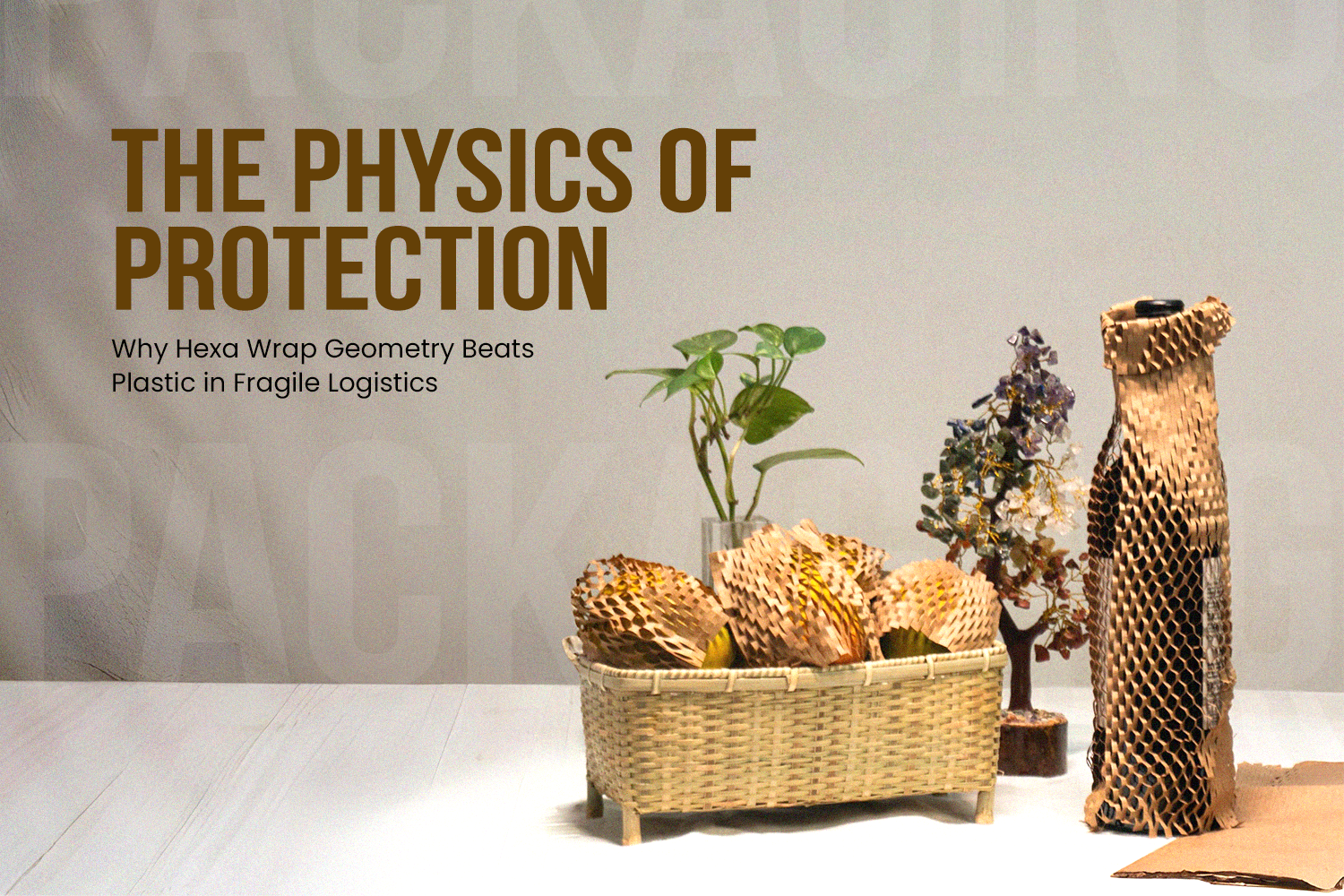
The protective behaviour of the hexa wrap lies in its geometry. When stretched, the paper forms a lattice pattern that resembles the cellular arrangement found in Honeycomb Paper structures. This pattern creates small pockets of space that act as micro-cushioning zones around the product.
From a physics perspective, the honeycomb pattern distributes force across multiple contact points. Instead of absorbing impact at a single surface, the structure spreads pressure across the network of cells. This allows hexa wrap to behave less like a flat sheet and more like a flexible protective shell.
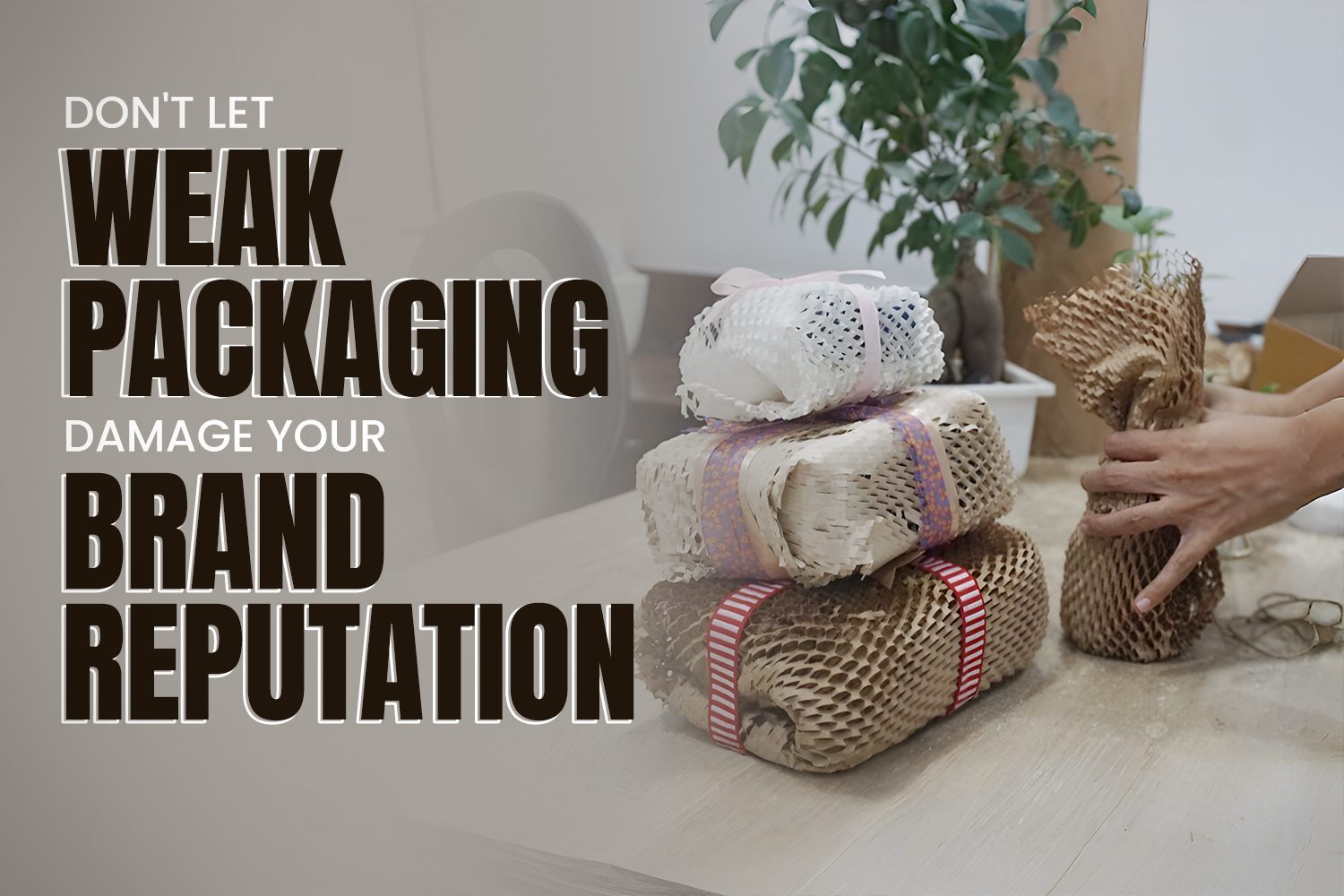
Because the material expands as it wraps, it naturally conforms to irregular product shapes. This conforming behaviour is one of the reasons packaging designers often compare hexa wrap to the structural principles used in Honeycomb Paper engineering.
Rather than trapping air inside plastic bubbles, the geometry itself becomes the cushioning mechanism.
Hexa Wrap vs Plastic Bubble Packaging
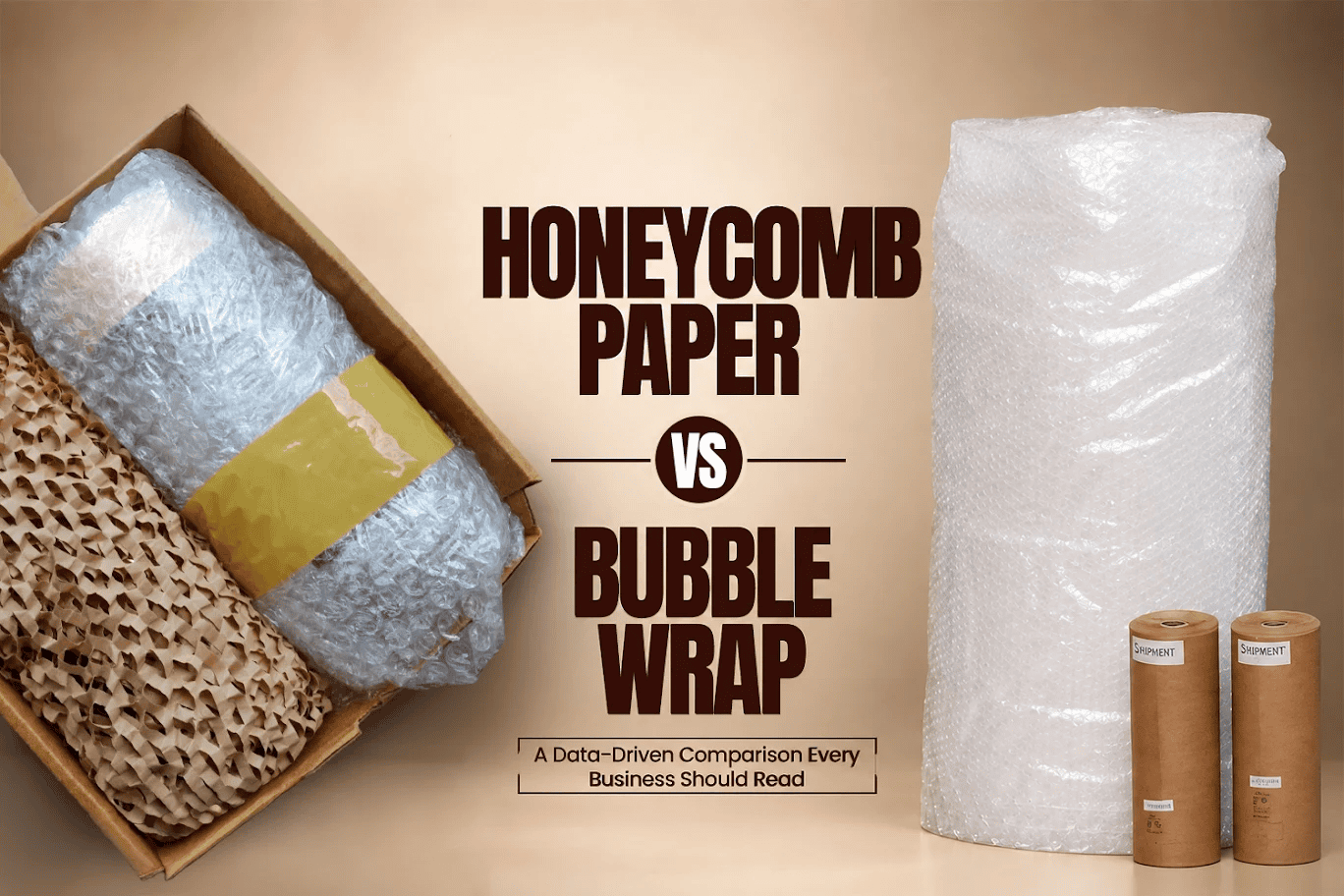
Comparing hexa wrap with plastic bubble materials reveals a difference in how each handles motion and pressure. Bubble wrap relies on sealed air pockets, which compress during impact but offer limited grip around the product.
By contrast, hexa wrap expands into a textured structure that lightly grips surfaces. The interlocking cells create friction that helps keep items from shifting inside the package. This subtle stabilisation can reduce the kind of movement that often leads to cumulative damage during transport.
The geometry also works well alongside Honeycomb Paper cushioning systems, where layered paper structures absorb and distribute forces gradually rather than abruptly.
Plastic cushioning may still perform well in certain contexts, but structural paper wrapping introduces a different approach—one that emphasises shape, flexibility, and distributed pressure.
Where Shredded Paper for Packaging Fits In
While wrapping materials protect individual items, empty space inside a box can still create problems. This is where shredded paper for packaging plays an important supporting role.
Loose paper strands fill voids and help stabilise wrapped products, preventing them from shifting during long journeys. When used together with hexa wrap, the wrapping secures the product surface while the void fill controls movement inside the carton.
In many packing environments, this layered strategy has become common practice. Wrapping provides direct cushioning, while shredded paper for packaging ensures the package interior remains tightly supported.
The result is a packaging system where materials perform complementary roles rather than relying on a single protective element.
Why Paper-Based Protective Packaging Is Gaining Attention
Packaging decisions increasingly consider both performance and material lifecycle. Paper-based systems are attracting interest not only because of recyclability but also because of their structural versatility.
Designs based on Honeycomb Paper patterns demonstrate how geometry can strengthen paper without significantly increasing material weight. The same design logic influences formats like hexa wrap, where expansion transforms a flat sheet into a cushioning structure.
At the same time, familiar materials such as shredded paper for packaging continue to serve practical functions in void filling and product stabilisation. Together, these paper formats illustrate how simple materials can be engineered to perform complex logistical roles.
A Thoughtful Approach to Protective Packaging
As packaging design evolves, many brands are exploring how structural materials can improve both protection and efficiency. Conversations around paper-based cushioning often highlight formats associated with companies like EcoCushion Paper, which focus on paper-engineered packaging systems.
Rather than positioning a single product as the answer to fragile shipping, the broader conversation tends to centre on packaging design principles. Systems that combine expandable wrapping, void filling, and structural geometry are gaining attention across logistics networks.
In this context, the work surrounding EcoCushion Paper reflects a wider shift in how protective packaging is discussed – less about replacing one material with another, and more about understanding how design and physics shape performance.
Conclusion
Protecting fragile products is ultimately a matter of managing forces. Impact, vibration, and compression are unavoidable in modern logistics, but packaging structures can influence how those forces interact with the product.
Materials like hexa wrap demonstrate how geometry can transform simple paper into an effective cushioning structure. When combined with supportive materials such as shredded paper for packaging, the result is a layered system that stabilises, cushions, and distributes pressure.
As packaging design continues to evolve, structural paper formats offer an interesting reminder: sometimes the most effective protection does not come from thicker materials, but from smarter geometry.