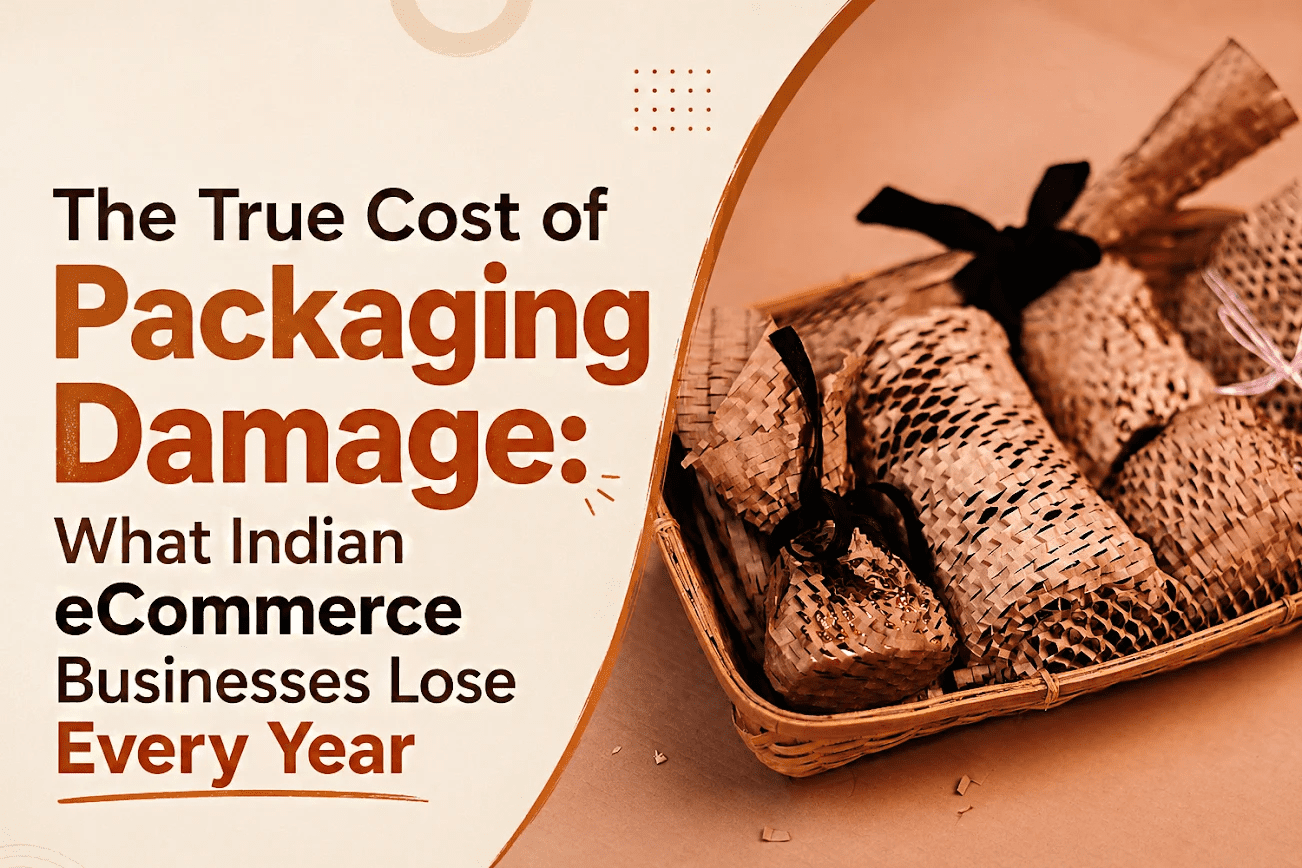
A crushed box. A broken product. A scratched surface. When a customer sees this, most businesses count only the replacement cost. That’s the wrong number.
Every damaged shipment brings hidden costs. Reverse logistics, customer support, refund processing, replacement deliveries, negative reviews, and lost repeat purchases all add to the final bill. Whether you’re shipping smartphones, skincare products, glassware, ceramic décor, premium furniture, or luxury gift hampers, transit damage quickly eats into your profit margins. For Indian eCommerce businesses shipping hundreds of orders a month, these losses add up faster than owners expect.
As businesses look for ways to reduce these hidden costs, eco friendly paper protective solutions such as Honeycomb Paper Packaging are becoming a practical alternative to traditional plastic cushioning. EcoCushion Paper helps businesses protect products more effectively while reducing transit damage and supporting more sustainable shipping operations.
Damaged Packaging Hurts More Than Revenue
One damaged package creates a chain of additional costs. Replacing the product is only the first step. Businesses must also absorb the cost of customer support, reverse logistics, replacement packaging, inventory adjustments, additional labour, refunds, and delayed deliveries. The number of these is in the hundreds per month, and the expense adds up to more than just replacing products. So, the wise eCommerce companies do not consider packaging as a shipping expense. It’s considered a business investment for them.
Every Order Faces Multiple Risk Points
For online orders, the order does not go from your warehouse to your customer’s doorstep. It goes from the warehouse through to the loading docks, distribution centres, sorting centres, long-distance transport, and local delivery vehicles. Packages are subjected to vibration, stacking pressure, drops, and rough handling at every stop.
Fragile products suffer the most. Electronics can develop cracked screens or damaged components. Glassware and ceramics may shatter during transit. Cosmetic and skincare brands often face leaking bottles or broken containers. Home décor and furniture businesses deal with scratches, chipped edges, and dents, while luxury gifting brands risk damaged presentation that immediately affects customer perception. Products break on the way if they’re not padded properly. It can’t be made “good manufacturing.
The problem isn’t with the product. The journey is.
Small Damage Creates Big Customer Problems
A customer buying a premium skincare kit expects spotless packaging. Someone ordering a luxury gift box expects an unboxing experience worth sharing. A customer purchasing electronics expects a perfectly protected device. Even minor transit damage creates disappointment long before the product is used.
They are only able to recall one thing: something came damaged. There is no easy replacement that takes away the angst. The quality, reliability of the brand, and professionalism begin to be questioned. That frustration results in poor reviews, ratings for the product are lower, and they don’t buy again. Protection is not all that packaging is. This is a component of the “customer experience.
Returns Drain Your Business
For electronics, furniture, home décor, cosmetics, and D2C brands shipping thousands of orders each month, every avoidable return increases operational costs and reduces profitability.
If there is damage to an order, it must be repaired before sending the replacement order. Firstly, you take it from the customer. Then you’re out and look it, process it in your warehouse, and refund/replace it. Then you repack and ship once again. Each step requires effort, manpower, and funds. For expanding businesses, the costs of return are greater than the cost of the original product. Cut transit damage. Cut return costs.
Better Packaging Means Better Business
Protective packaging serves only one function: protecting the product from the warehouse to the doorstep.
Good eco friendly paper packaging minimises the movement in the package. It absorbs impact. It spreads pressure. Helps to preserve products upon arrival. If the products arrive in good condition, businesses receive fewer returns and lower replacement costs. Customer reviews improve. Reliability of delivery increases. Fewer problems. Stronger customer relationships.
Cheap Packaging Costs More Over Time
When it comes to packaging, it can be a good value to purchase low-cost options. It’s not.
Low-cost packaging often appears economical at first. Over time, however, the savings are quickly outweighed by product replacements, customer complaints, reverse logistics, and damage to brand reputation. Instead of asking, “What is the price of this packaging?” businesses should ask, “How much does poor packaging cost us every year?” That shift in thinking turns packaging from an expense into a long-term business investment. As a result of that change, packaging becomes an investment instead of an expenditure.
Why is Eco Friendly Paper Packaging Growing in India?
Indian consumers increasingly expect brands to deliver products safely while reducing plastic waste. This is especially true for D2C brands in beauty, personal care, electronics, home décor, gifting, and premium lifestyle categories, where packaging directly influences purchase satisfaction and repeat business.
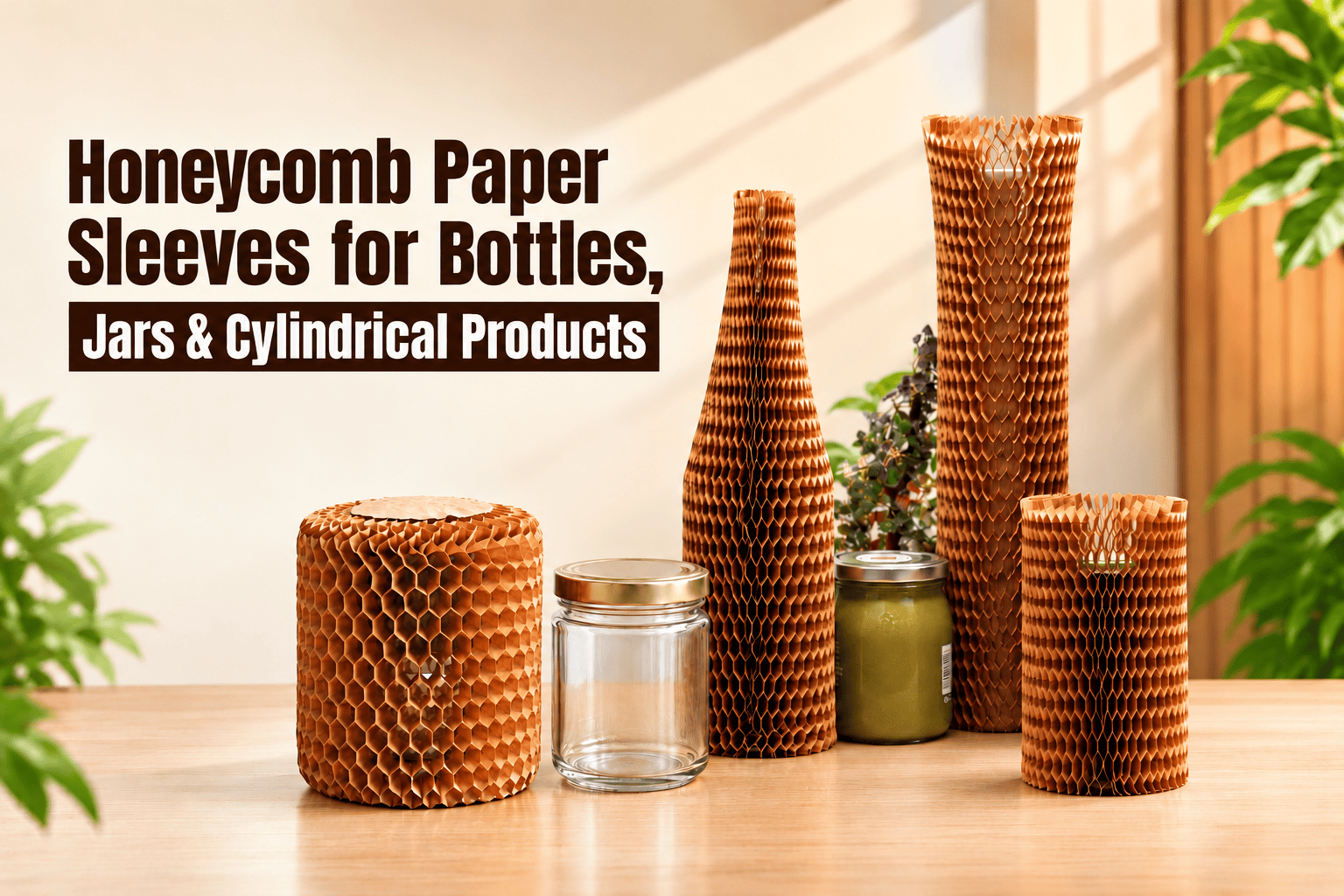
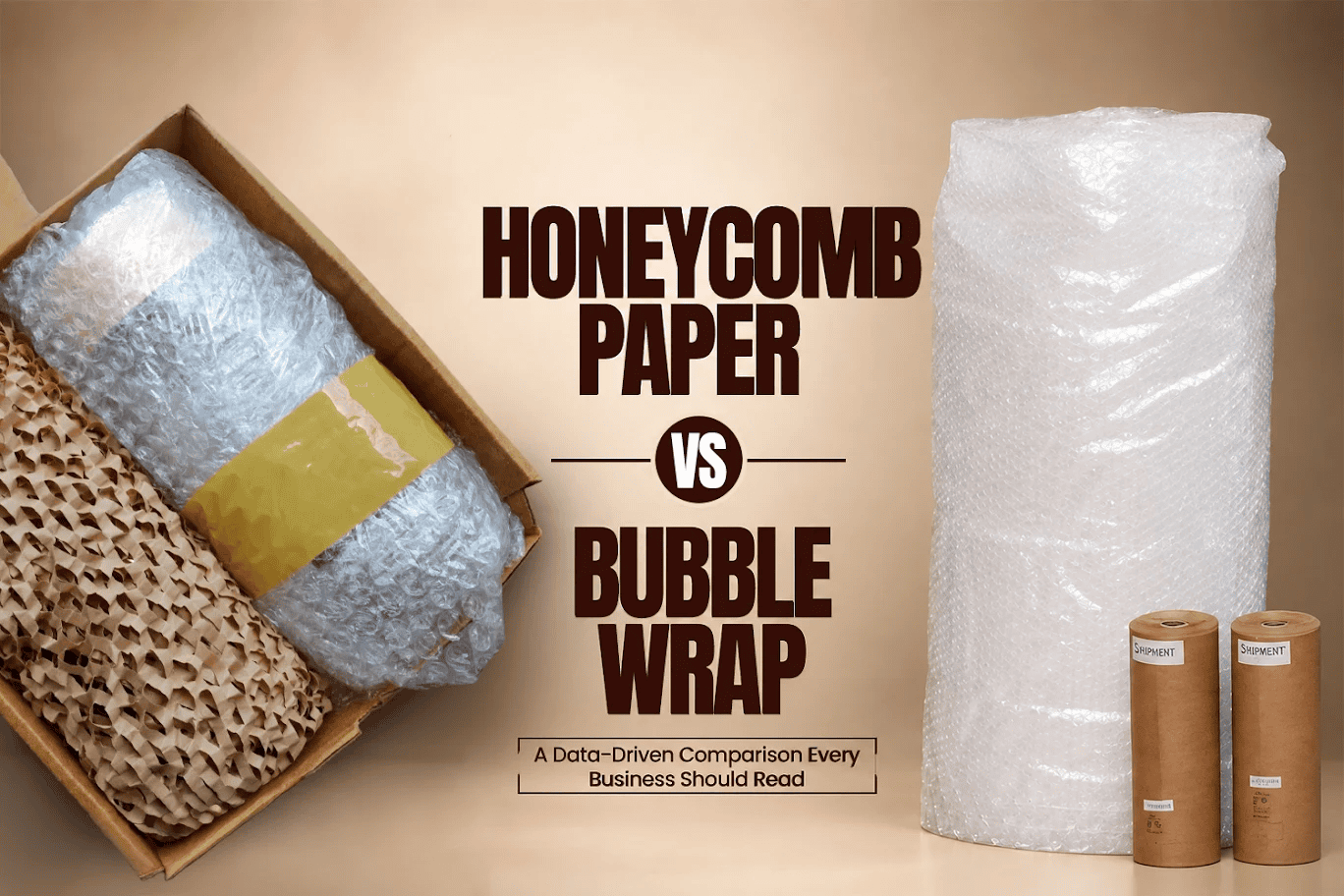
Waste is generated when there is too much plastic packaging. That’s a bad reflection on a brand. Both these drawbacks are overcome by Honeycomb Packaging. It has a hexagonal design, which generates cushioning points for the impact it takes along the way. No need to make plastic air pockets. Products stay protected. Plastic waste drops. Customers notice.
Packaging Influences How Customers Perceive Your Brand
Customers notice everything.
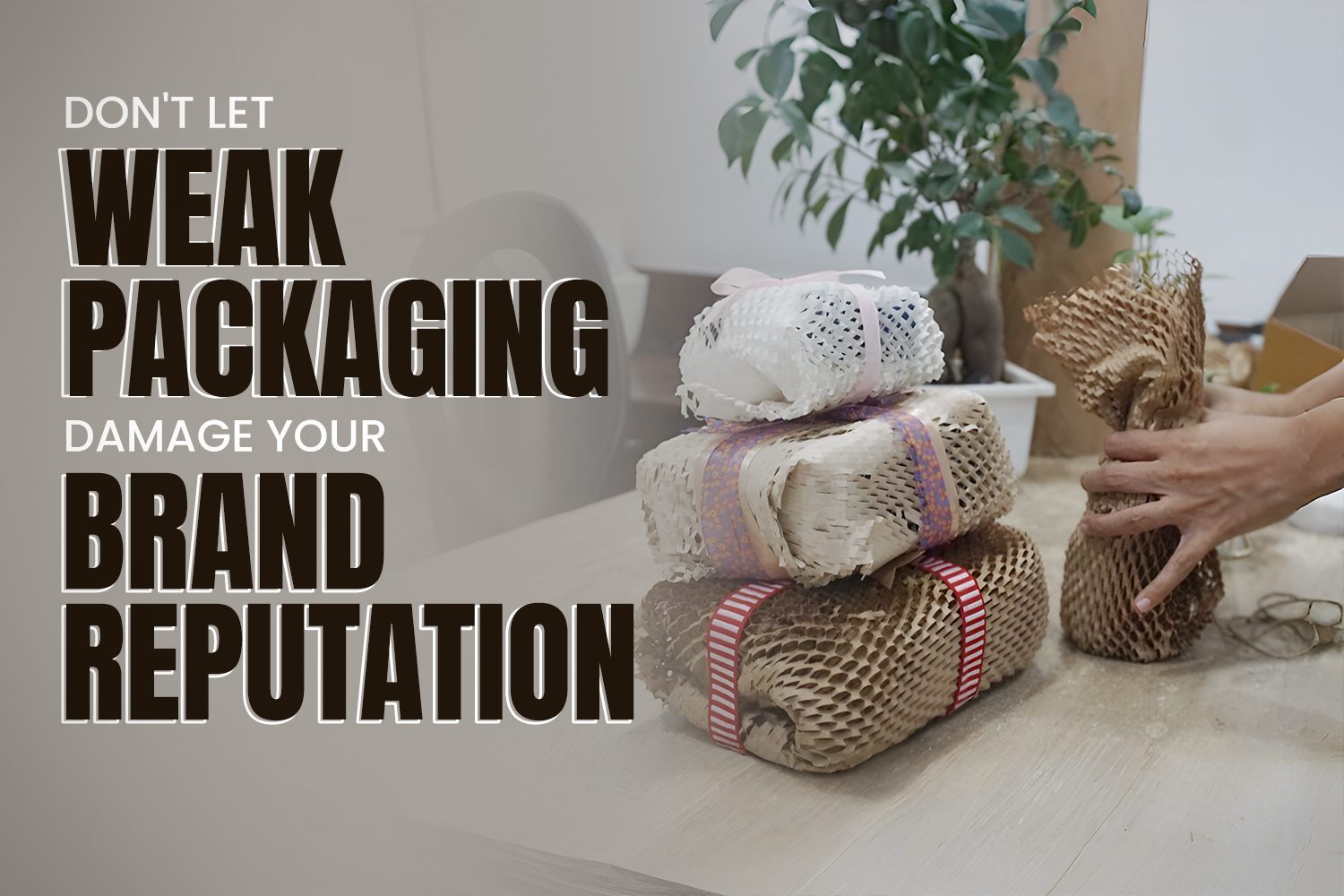
Crushed corners. Excessive plastic. Products are not packed according to the standard. All these details influence the customer’s perception of a brand before using it. Professionalism comes across in the packaging that’s put together with thought. The opposite of sloppy packaging is evident in what it does not do. It’s a fact that businesses get better reviews when they invest some of their efforts into packaging. Repeat sales increase. Customer confidence grows. Brand reputation strengthens. That’s important in a free market.
Where Does EcoCushion Paper Fit In?
EcoCushion Paper provides paper-based protective packaging solutions for businesses shipping electronics, glassware, cosmetics, ceramics, home décor, furniture accessories, luxury gifts, healthcare products, and other fragile goods that require reliable protection during transit.
It’s Honeycomb Packaging wraps around fragile products. It reduces movement. It cushions against impact. It uses no plastic. EcoCushion Paper helps businesses protect products better, cut plastic use, pack faster, and lower damage-related costs.
Final Thought
Indian eCommerce keeps growing. Shipment volumes keep rising. Customer expectations keep climbing.
Businesses that treat packaging as an afterthought keep paying for damage they could prevent. These damages include returns, replacements, and customers who don’t come back. The real cost of packaging damage doesn’t show on a single invoice. It builds over time: in lost customers, thin margins, and a reputation that takes years to rebuild. Better packaging starts with protecting products better.