
Types of Packaging Paper & Their Uses Across Industries
In today’s consumer-driven world, packaging plays a crucial role not only in protecting products but also in enhancing their appeal, improving shelf life, and supporting brand identity. While multiple materials are used for packaging, paper packaging material remains a standout choice due to its sustainability, versatility, and cost-effectiveness. From e-commerce deliveries to food wraps, and from industrial shipments to luxury retail, different types of packaging paper are tailored to meet the needs of diverse sectors.
This blog examines the most common types of packaging paper, their characteristics, and how various industries utilize them for safe, efficient, and environmentally friendly packaging.
Why Paper Packaging Material Matters
Before diving into specific types, it’s important to understand why paper packaging material has become a preferred choice across industries:
- Eco-friendly: Most paper-based materials are recyclable, biodegradable, and sourced from renewable resources.
- Lightweight: Easy to transport and reduces overall shipping costs.
- Customizable: Can be printed, coated, layered, or converted into a variety of structures.
- Safe for Food Contact: Many types of packaging paper are naturally safe for wrapping food.
These qualities make packaging paper a reliable, sustainable solution in a world increasingly focused on reducing environmental impact.
1. Kraft Paper: Strong & Versatile
Kraft paper is one of the most widely used types of packaging paper due to its high strength and durability. Made through the kraft pulping process, it retains long cellulose fibers, giving it superior tear resistance.
Common Uses
- E-commerce shipping bags
- Protective wrapping for fragile items
- Food packaging, like sandwich wraps
- Industrial use for bundling and pallet wrapping
Both brown and bleached kraft paper options are popular, depending on the aesthetic and strength requirements.
2. Corrugated Paper: For Heavy-Duty Packaging
Corrugated paper consists of fluted (wavy) paper sandwiched between linerboards. This structure provides cushioning, rigidity, and shock absorption, making it ideal for transportation and storage.
Industries That Use Corrugated Packaging
- E-commerce for shipping boxes
- Electronics for impact protection
- Glassware & ceramics
- Furniture and appliances
Corrugated sheets, rolls, and boxes remain indispensable for bulk and long-distance shipping.
3. Honeycomb Paper: Lightweight Yet Strong
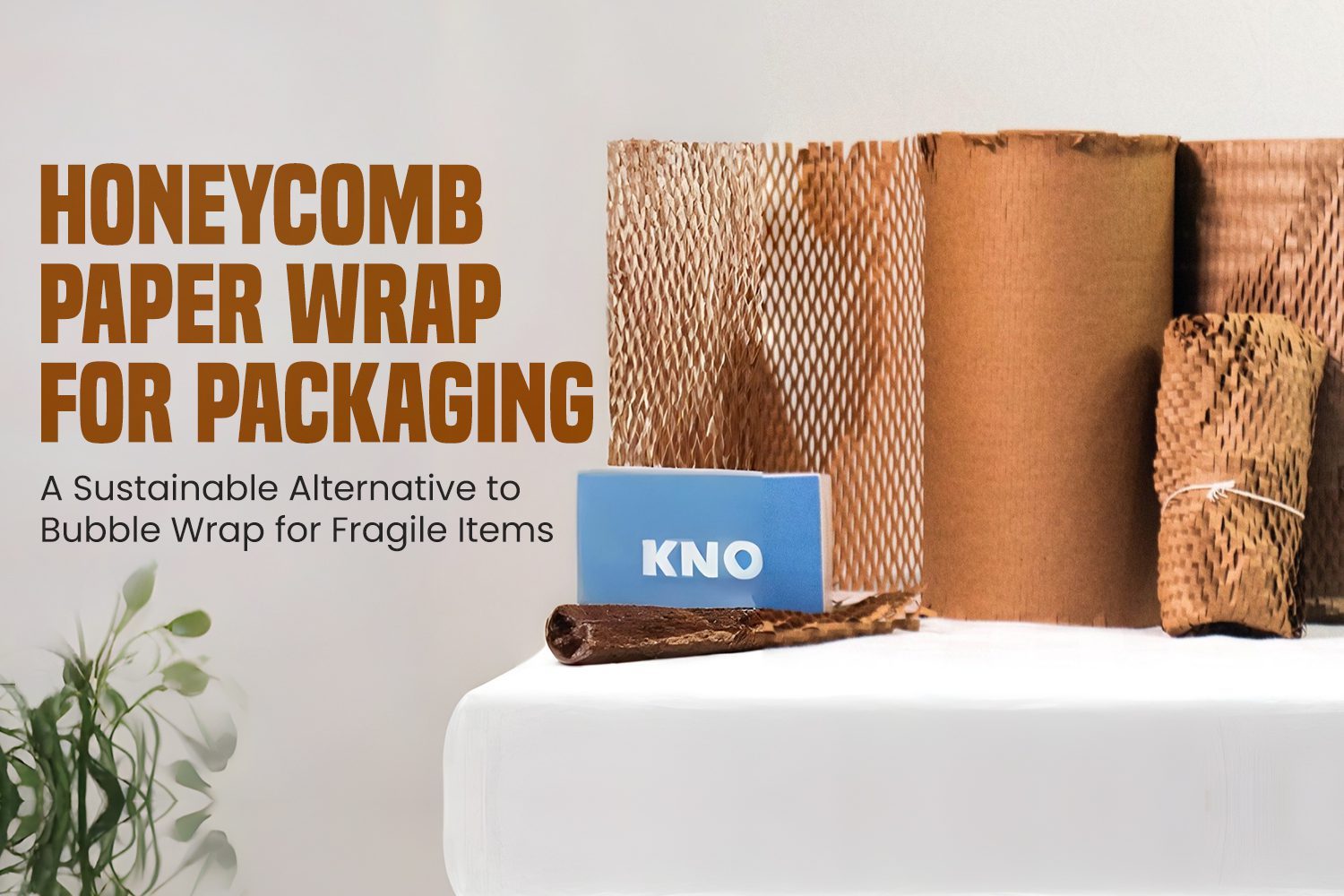
Honeycomb paper is a unique form of packaging paper with a hexagonal structure, providing excellent strength-to-weight ratio. It’s highly effective as a protective filler and spacer in packaging.
Applications
- Pallet and furniture protection
- Divider inserts for fragile items
- Eco-friendly shipping solutions
- Industrial packaging for bulk goods
Its lightweight design reduces shipping costs while maintaining cushioning and impact resistance.
4. Greaseproof and Waxed Paper: Food-Grade Protection
Greaseproof paper is treated to resist oil, moisture, and grease, making it suitable for direct food contact. Waxed paper, coated with paraffin wax, offers an even higher level of moisture resistance.
Applications
- Bakery wrappers
- Fast-food packaging
- Confectionery liners
- Cheese and butter wrapping
Restaurants, cafés, and food brands rely heavily on greaseproof and waxed paper for hygienic and attractive food presentation.
5. Tissue Paper: Lightweight & Decorative
Tissue paper is soft, thin, and lightweight, commonly used for aesthetic purposes. Although not suitable for heavy protection, it adds value through presentation and layering.
Where Tissue Paper is Used
- Gift wrapping
- Retail packaging (clothing, accessories, footwear)
- Filling voids in delicate shipments
- Luxury brand packaging
It also comes in various colors and printed designs, making it ideal for visually appealing packaging paper.
6. Newsprint Paper: Affordable & Recyclable
Newsprint is lightweight and cost-effective, making it widely used for wrapping and cushioning. While not very strong, it serves as an eco-friendly protective layer.
Common Uses
- Wrapping household items during relocation
- Filling voids in boxes
- Wrapping produce in markets
Its affordability and recyclability make it popular for everyday packaging paper needs.
7. Paperboard & Kraft Board: For Rigid Packaging
Paperboard is thicker than regular paper and offers enhanced stiffness. It is commonly used in retail and consumer goods packaging, where structure and design both matter.
Industries That Use Paperboard
- Cosmetics
- Pharmaceuticals
- FMCG products
- Luxury packaging
Paperboard enables high-quality printing and branding, making it ideal for premium product boxes.
8. Laminated Packaging Paper: Extra Strength & Moisture Resistance
Laminated paper is coated or combined with materials such as PE film, aluminum foil, or other substrates. This enhances durability, moisture resistance, and barrier protection.
Why It’s Used
- Food packaging that needs long shelf life
- Industrial chemical packaging
- Tea, spices, and powdered goods
- Frozen food wraps
Laminated paper packaging material ensures that products remain fresh, protected, and visually appealing.
9. MG & MF Paper: For Smooth Finishes
Machine Glazed (MG) and Machine Finished (MF) papers are smooth and shiny on one side, making them suitable for high-quality printing and branding.
Uses
- Gift wrapping
- Retail packaging
- Branded shopping bags
- Specialty boxes
The smooth surface helps brands achieve sharp designs and premium aesthetics.
10. Paper Bubble Wrap: Cushioning with Sustainability
Paper bubble wrap is an eco-friendly alternative to traditional plastic bubble wrap. It combines the protective benefits of cushioning with the recyclability of packaging paper.
Applications
- Protecting fragile items during shipping
- Electronics and glassware packaging
- Gifts and premium products
- Reducing plastic usage in packaging
It provides excellent shock absorption while aligning with sustainable packaging goals.
Conclusion
As industries evolve, the demand for efficient, sustainable, and visually appealing packaging solutions continues to grow. Paper packaging material remains at the heart of this transformation. From heavy-duty kraft paper to decorative tissue, food-safe greaseproof paper, honeycomb paper, and Paper bubble wrap, the range of packaging paper available today allows businesses to choose solutions that align with their functional needs and environmental goals.
Whether you’re a manufacturer, retailer, or small business owner, using high-quality paper packaging material not only protects your products but also communicates responsibility, quality, and care to your customers.
Paper-based packaging is not just a trend. It’s a long-term, sustainable step toward a greener future.