
Bubble Packaging Explained: Types, Uses, and Benefits
Protecting products during transit has become a central concern for modern businesses. With e-commerce shipments increasing every year, the need for reliable protective packaging is greater than ever. From electronics and glassware to delicate retail items, companies must ensure that goods reach customers in perfect condition.
One material that has long played a role in safeguarding shipments is Bubble Packaging. Known for its cushioning air pockets, it helps absorb shocks and reduce the risk of damage during transportation. Its lightweight nature and ease of use have made it a familiar choice in warehouses and packing stations worldwide.
At the same time, the packaging industry is evolving. Many businesses are now exploring Paper Packaging Material and other eco-friendly packaging alternatives that aim to balance protection with sustainability. Understanding how Bubble Packaging works — and where newer materials like Honeycomb Paper fit in – can help businesses make better packaging decisions.
What is Bubble Packaging?
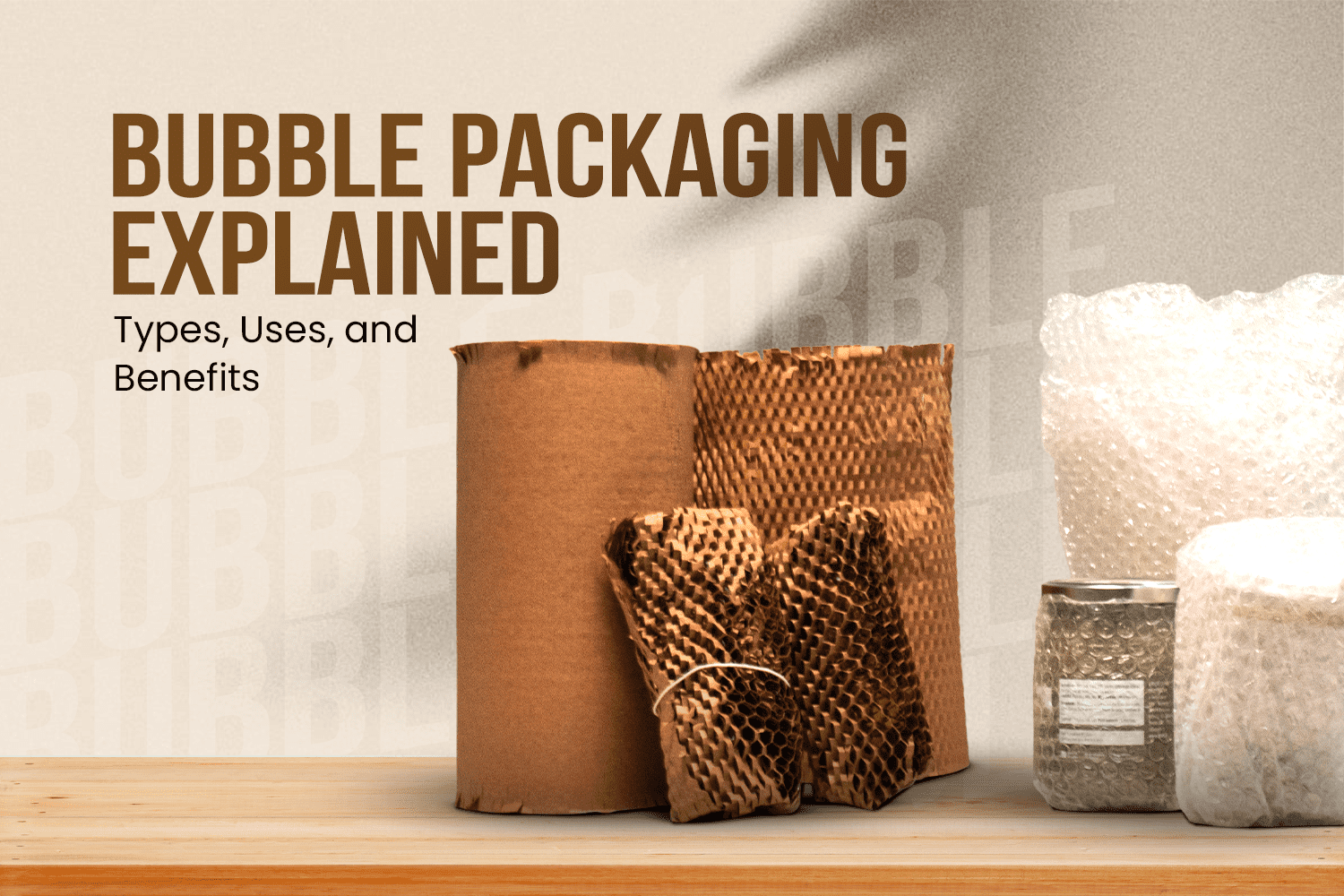
Bubble Packaging refers to a protective wrapping material made from plastic sheets filled with evenly spaced air pockets. These bubbles create a cushioning layer that protects products from impact, vibration, and pressure during handling or shipping.
When a packaged item is dropped or bumped during transit, the air pockets compress and distribute the force across the surface. This simple mechanism helps prevent fragile items from cracking, chipping, or breaking.
Because it is lightweight and flexible, Bubble Packaging is easy to wrap around objects of different shapes and sizes. It can also be combined with boxes, void fillers, and other Paper Packaging Material to create a layered protective solution for shipping.
Types of Bubble Packaging
Not all bubble wrap is the same. Different varieties are designed for specific packaging needs.
Small Bubble Wrap
Small bubble wrap features tightly spaced, smaller air pockets. It is commonly used for delicate items that require gentle cushioning, such as ceramics, cosmetics, and small electronics.
Large Bubble Wrap
Large bubble wrap contains bigger air pockets that provide greater shock absorption. This type of Bubble Packaging is often used for heavier items like framed artwork, appliances, or large glass objects.
Anti-Static Bubble Packaging
Electronics and sensitive components require special handling. Anti-static Bubble Packaging is designed to prevent electrostatic discharge that could damage circuit boards or other delicate electronic parts.
Bubble Mailers
Bubble mailers combine an outer envelope with an inner bubble layer. These padded envelopes are widely used in e-commerce for shipping smaller products such as accessories, books, or gadgets while providing built-in cushioning.
Common Uses of Bubble Packaging
Because of its flexibility and cushioning properties, Bubble Packaging is used across many industries.
eCommerce Shipping
Online retailers rely heavily on protective packaging to prevent returns caused by damaged goods. Bubble wrap is frequently used to secure products inside boxes or padded envelopes.
Electronics
Devices such as laptops, cameras, and mobile accessories often require extra protection. Bubble wrap helps absorb shocks and reduces movement within packaging.
Glassware and Ceramics
Items like vases, cups, and decorative pieces are particularly fragile. Wrapping them with Bubble Packaging helps minimise the risk of cracks during shipping.
Fragile Retail Goods
From perfumes to small decorative products, retailers frequently use Bubble Packaging when shipping items that may break easily during transport.
In many packing setups, bubble wrap is combined with Paper Packaging Material to create layered protection for packaging for fragile items.
Benefits of Bubble Packaging
Several practical advantages explain why bubble wrap remains widely used in logistics and shipping.
Effective Shock Absorption
The air-filled bubbles create a cushioning barrier that helps absorb impact and protect fragile items during handling and transportation.
Lightweight Protection
Despite offering strong cushioning, Bubble Packaging adds very little weight to shipments. This helps reduce shipping costs and makes handling easier for packing teams.
Cost Efficiency
Compared to many specialised protective materials, bubble wrap is relatively inexpensive. Its affordability has contributed to its widespread adoption across industries.
Easy Handling
Bubble wrap can be quickly wrapped, cut, or layered around products. This flexibility allows packers to secure items efficiently while maintaining consistent protection.
However, as environmental awareness grows, businesses are increasingly looking beyond plastic-based materials.
The Shift Toward Paper – Based Alternatives
In recent years, many companies have started exploring more sustainable packaging options. This shift has brought renewed attention to Paper Packaging Material as a protective solution that can reduce reliance on plastic.
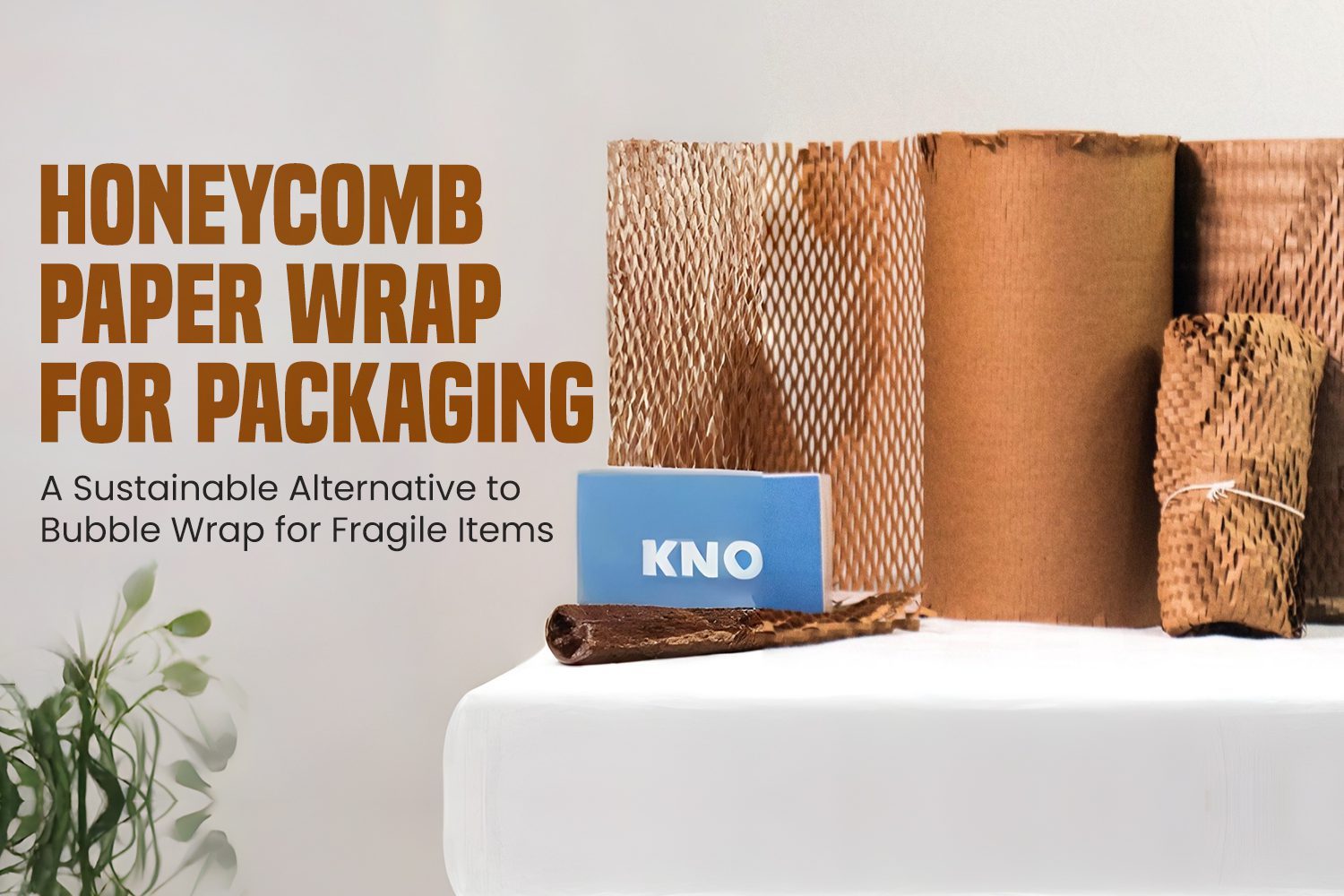
Paper-based cushioning materials can offer structure, flexibility, and recyclability. One example gaining attention is Honeycomb Paper, a specially engineered paper wrap that expands into a three-dimensional structure. When stretched, Honeycomb Paper forms interlocking cells that create natural cushioning around products.
Because of this structure, Honeycomb Paper can act as an effective option for packaging for fragile items while remaining lightweight and recyclable. It is increasingly being considered among eco-friendly packaging alternatives in modern logistics.
Brands working in sustainable packaging are increasingly focusing on practical, paper-based alternatives. These solutions show how thoughtfully designed paper packaging materials can still offer reliable protection for products while also responding to growing environmental expectations. The shift reflects a broader effort within the packaging industry to balance performance with sustainability in a more natural and responsible way.
As supply chains continue to adapt, many businesses are exploring how traditional Bubble Packaging and newer paper-based materials can work together in different packaging strategies.
Conclusion
Packaging plays a crucial role in ensuring products reach customers safely. For decades, Bubble Packaging has been a dependable choice thanks to its shock absorption, lightweight design, and ease of use. From electronics to glassware, it continues to serve as a reliable layer of protection in many shipping environments.
At the same time, the growing interest in sustainability is encouraging businesses to explore new solutions. Paper Packaging Material is increasingly being used as part of more responsible packaging systems. Materials such as Honeycomb Paper demonstrate how paper structures can offer cushioning while remaining recyclable.
As the packaging landscape evolves, understanding the strengths of both traditional and emerging materials – including those discussed by brands like EcoCushion Paper – helps businesses choose the right balance of protection, efficiency, and environmental responsibility.