
Reduce Transit Damage Immediately with Strong Protective Packaging
In today’s fast-moving eCommerce and logistics ecosystem, ensuring that products reach customers in perfect condition is no longer optional – it is essential. Transit damage can lead to product returns, customer dissatisfaction, negative reviews, and increased operational costs. For brands shipping fragile or premium products, investing in the right Honeycomb Packaging as protective shipping materials is one of the most effective ways to reduce losses and strengthen customer trust.
From glassware and electronics to cosmetics, décor, and lifestyle products, every shipment is exposed to risks such as impact, vibration, compression, and rough handling. This is where paper-based packaging solutions, including honeycomb structures offered by brands like EcoCushion Paper, play a critical role in minimising damage while supporting sustainable packaging practices.
This blog explores how strong packaging solutions can help businesses reduce transit damage immediately and improve overall delivery performance.
Why Transit Damage Is a Serious Business Concern
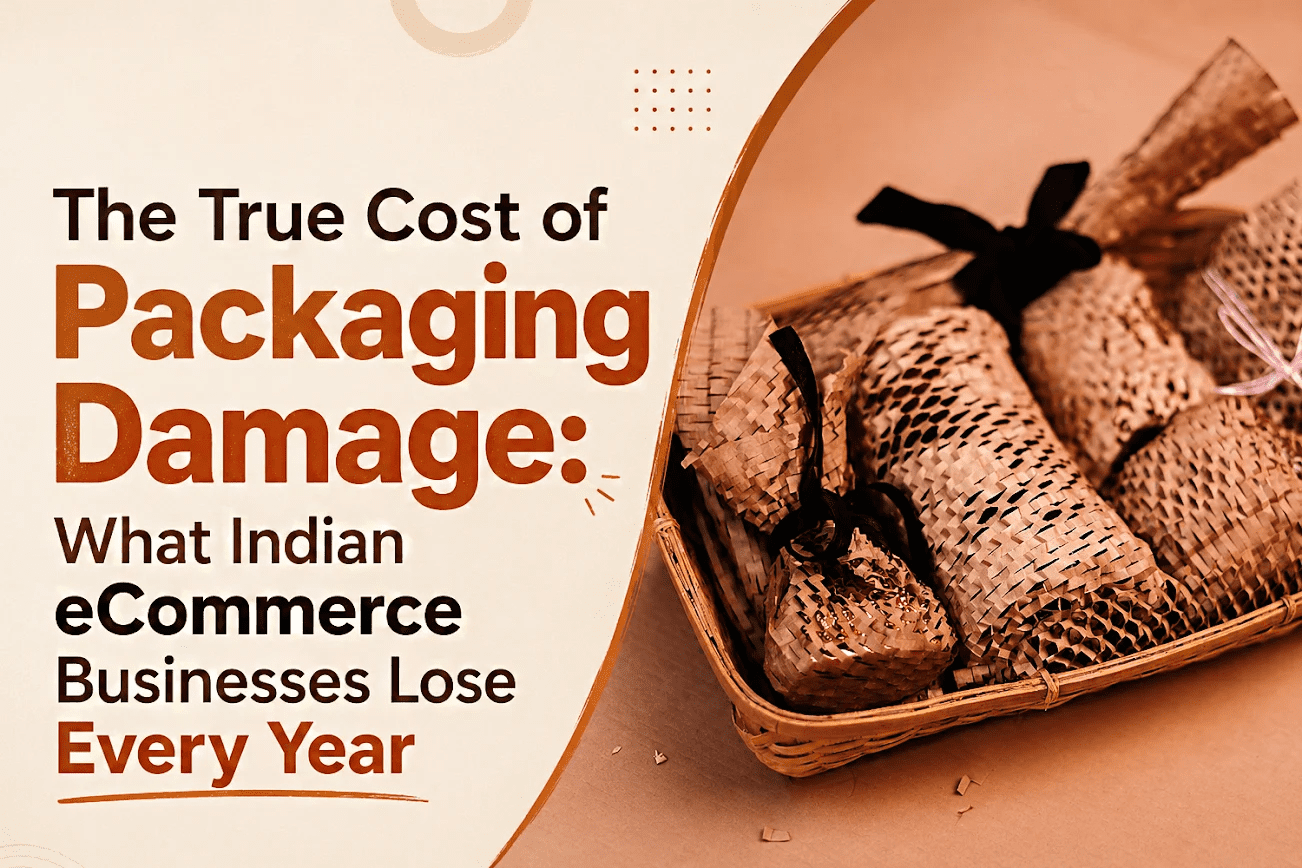
Transit damage directly affects both revenue and brand reputation. A damaged delivery often results in:
- Product returns and replacements
- Higher logistics and reverse shipping costs
- Negative customer reviews
- Reduced repeat purchases
- Loss of customer trust
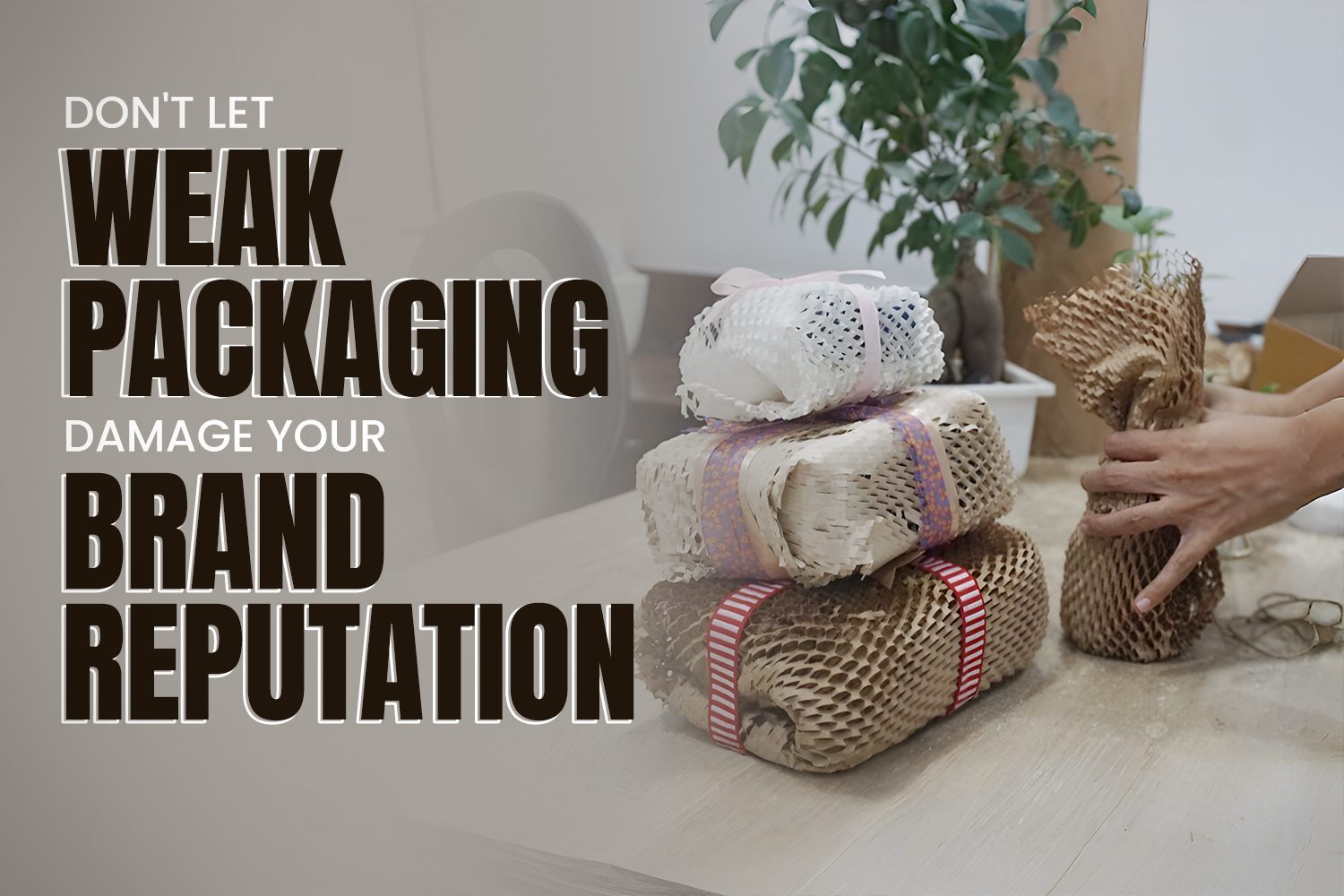
In highly competitive markets, even a single poor delivery experience can impact long-term customer loyalty.
Using durable damage-resistant packaging helps create a secure barrier between the product and external transit stress, significantly reducing the chances of breakage or surface damage.
Common Causes of Transit Damage
Before choosing the right packaging, it is important to understand the key causes of damage during transit.
1. Impact and Drops
Packages are frequently handled at multiple points across the supply chain. Sudden drops or knocks can damage fragile products.
2. Vibration During Transport
Continuous movement in delivery vehicles can cause internal friction and product shifting.
3. Compression and Stacking
Boxes are often stacked during warehousing and shipping. Without strong cushioning solutions, this pressure can crush products.
4. Empty Space Inside the Box
Excess void space allows products to move during transit, increasing the risk of breakage.
This is why choosing the right void fill solutions is essential for immediate protection.
How the Right Packaging Reduces Transit Damage
The primary purpose of effective packaging is to absorb shock, reduce movement, and distribute pressure evenly.
Modern solutions such as honeycomb paper-based wraps are specifically designed to cushion fragile items while keeping packaging lightweight and efficient.
Effective packaging should:
- Absorb impact forces
- Prevent internal movement
- Protect product surfaces
- Resist stacking pressure
- Maintain product integrity during long-distance transit
This helps businesses reduce damage rates from the very first shipment cycle.
Why Honeycomb Structures Are Highly Effective
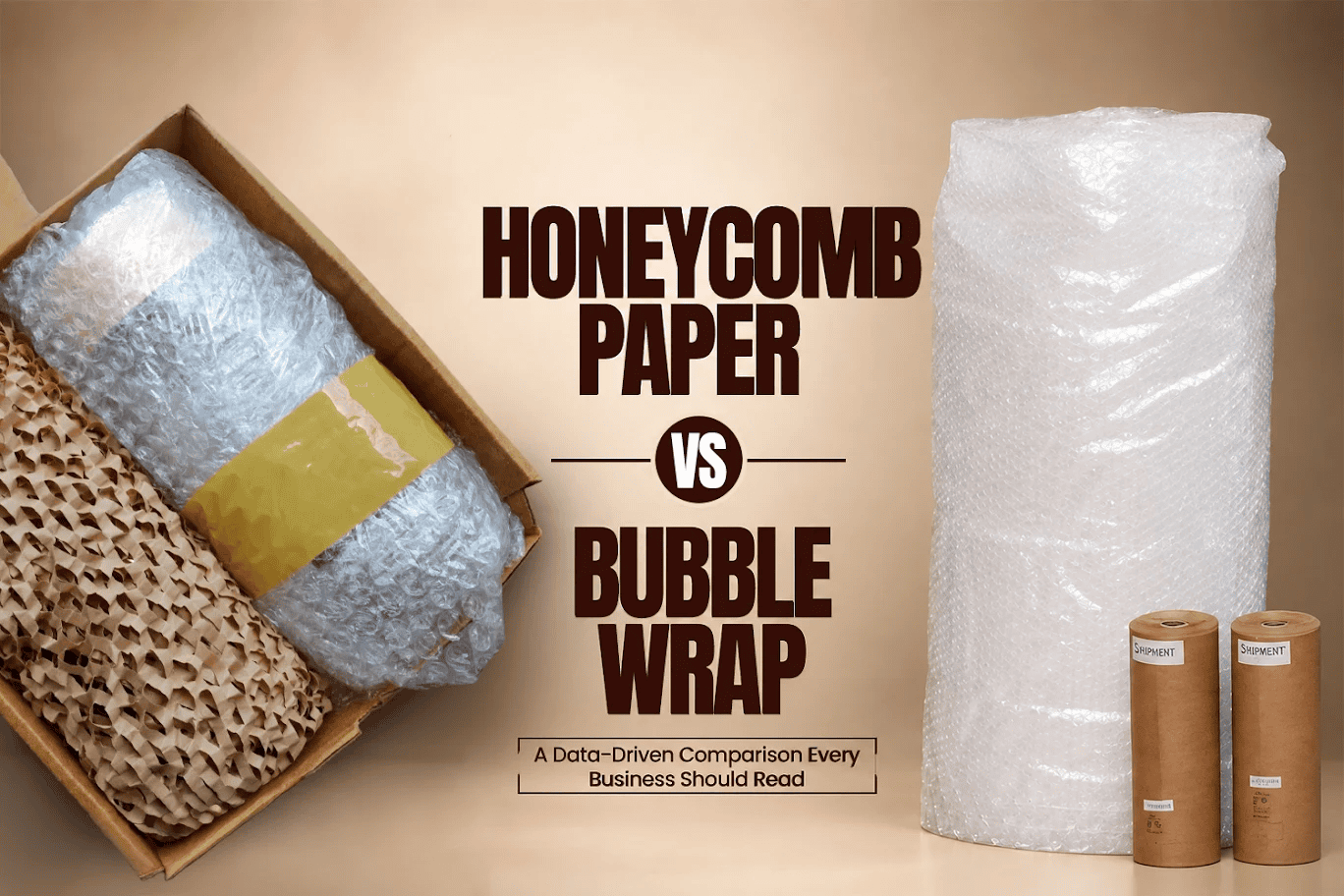
Honeycomb-style packaging has emerged as a reliable alternative to plastic bubble wrap.
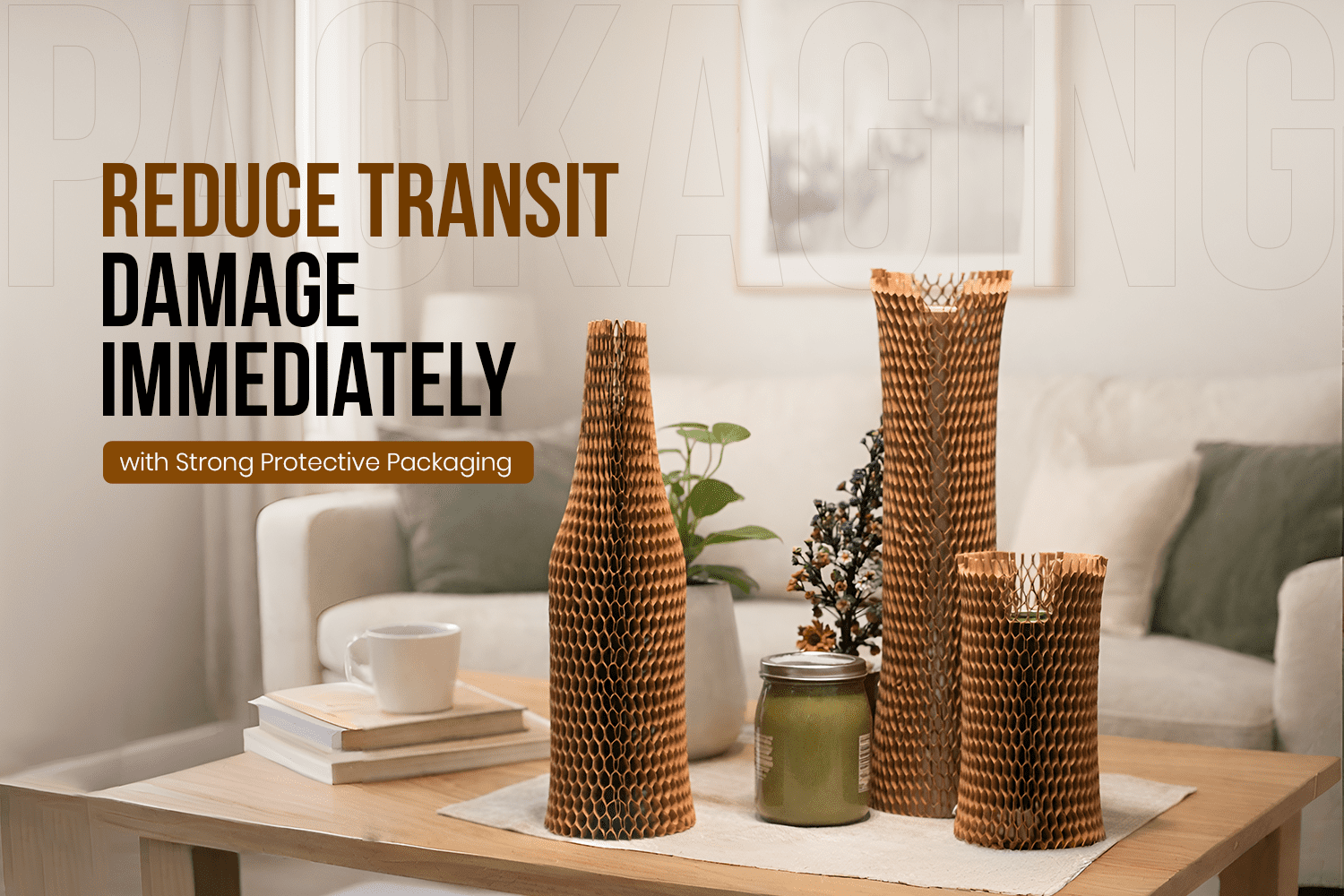
Its hexagonal paper structure expands into a strong cushioning layer that wraps securely around products. This design creates multiple points of shock absorption, making it highly effective for fragile logistics.
Compared to traditional plastic wraps, such paper-based cushioning solutions offer:
- Better structural grip
- Improved shock resistance
- Lightweight protection
- Sustainable disposal
The interlocking design helps distribute impact pressure across the surface rather than concentrating force at one point – significantly reducing the risk of breakage during transit.
Sustainable Protection with Paper-Based Packaging
For businesses looking to reduce damage while aligning with sustainability goals, paper based Protective packaging offers a practical and responsible solution.
Unlike plastic-based cushioning, these materials are:
- Recyclable
- Biodegradable
- Lightweight
- Easy to use
- Cost-efficient in bulk shipping
Today’s customers increasingly prefer brands that use environmentally responsible packaging. Adopting such solutions not only improves product safety but also strengthens brand perception and sustainability credentials.
Best Products for Protective Packaging Solutions
Certain product categories benefit significantly from strong protective shipping materials and cushioning solutions. These include:
- Glass bottles and jars
- Ceramic products
- Home décor
- Electronics accessories
- Beauty and skincare products
- Handmade and premium gifting items
For delicate surfaces, paper-based wraps help prevent scratches while offering cushioning support, making them ideal for both fragile and premium products.
Reduce Returns and Improve Customer Satisfaction
One of the biggest advantages of strong damage-resistant packaging is the reduction in product returns.
When customers consistently receive products in perfect condition, it directly improves:
- Customer satisfaction
- Product ratings
- Brand trust
- Repeat purchase rates
A secure unboxing experience also creates a positive emotional connection with the brand.
Cost Savings Through Better Packaging
Many businesses focus only on packaging cost per unit, but the real cost lies in damaged deliveries.
Transit damage leads to:
- Replacement costs
- Refund processing
- Reverse logistics
- Customer support expenses
Investing in stronger protective shipping materials often results in lower overall operational costs. Lightweight paper-based solutions can also help reduce volumetric shipping costs compared to bulkier alternatives.
Practical Tips to Reduce Transit Damage Immediately
To see immediate improvement, businesses should:
- Use the Right Box Size
Avoid excessive empty space inside the package. - Add Multiple Layers
Use layered cushioning for highly fragile items. - Secure Product Movement
Use void fill solutions and surface wraps effectively. - Test Packaging Performance
Conduct drop and vibration tests before bulk dispatch. - Standardise Packaging SOPs
Train packing teams to use materials consistently.
These steps can significantly reduce transit damage rates from the first implementation cycle.
Combining Honeycomb Packaging with Void Fill for Complete Protection
While Honeycomb Packaging performs well as a surface wrap, many shipments also require internal void fill to prevent movement inside the box. Combining structured Honeycomb Packaging with dedicated Protective Packaging solutions, such as crumpled kraft paper or expandable fillers, creates a layered defense system — the wrap absorbs direct impact, while the fill eliminates shifting during transit. This two-layer approach is particularly effective for mixed-SKU shipments, where products of varying shapes and weights travel together. Businesses sourcing both Honeycomb Packaging and void-fill materials from a single supplier also benefit from consistent material quality and simplified procurement, reducing the operational overhead of managing multiple vendors for packaging needs.
Final Thoughts
Transit damage is one of the most preventable challenges in eCommerce logistics.
With the right protective shipping materials, businesses can improve product safety, reduce return rates, and enhance customer trust. Solutions such as paper-based honeycomb packaging – including those offered by brands like EcoCushion Paper – provide strong, sustainable, and cost-effective protection for fragile shipments.
For brands looking to improve operational efficiency and customer experience, investing in better packaging is not just a logistics decision – it is a strategic growth decision. Reducing damage starts with protecting smarter.
FAQ’s
Is Honeycomb Packaging effective for heavy or stacked shipments?
Yes. The hexagonal cell structure distributes pressure evenly across the surface, helping products resist compression even when boxes are stacked during warehousing or transport.
Can Protective Packaging reduce the number of product returns?
Yes. Using appropriate Protective Packaging reduces transit damage, which directly lowers return and replacement rates, improving overall customer satisfaction and repeat purchase behavior.
Is Honeycomb Packaging suitable for all product categories?
It is especially effective for glassware, ceramics, electronics accessories, décor, and premium gifting items. For irregularly shaped or multi-item shipments, pairing it with void fill offers more complete protection.